
 Diego Villanueva July 22nd, 2025 - 7:00 PM

Whenever a landmark game is released, it tends to cast a long shadow, one that inspires a wave of imitators and homages in the years that follow. We saw this most clearly with Breath of the Wild, which inspired titles like Genshin Impact and Immortals Fenyx Rising in 2020. Now, it’s Elden Ring‘s turn. The gaming zeitgeist has shifted toward Soulslike, with recent standout entries such as Lies of P and Black Myth: Wukong leading the charge. Entering this increasingly crowded arena steps Wuchang: Fallen Feathers, a dark action RPG from Leenzee Games, a Chengdu-based studio whose only previous title was a little-known VR game. Going in, I expected the usual: a game that looks promising in previews but falls short of the genre’s titans. But Wuchang surprised me, though not without caveats.
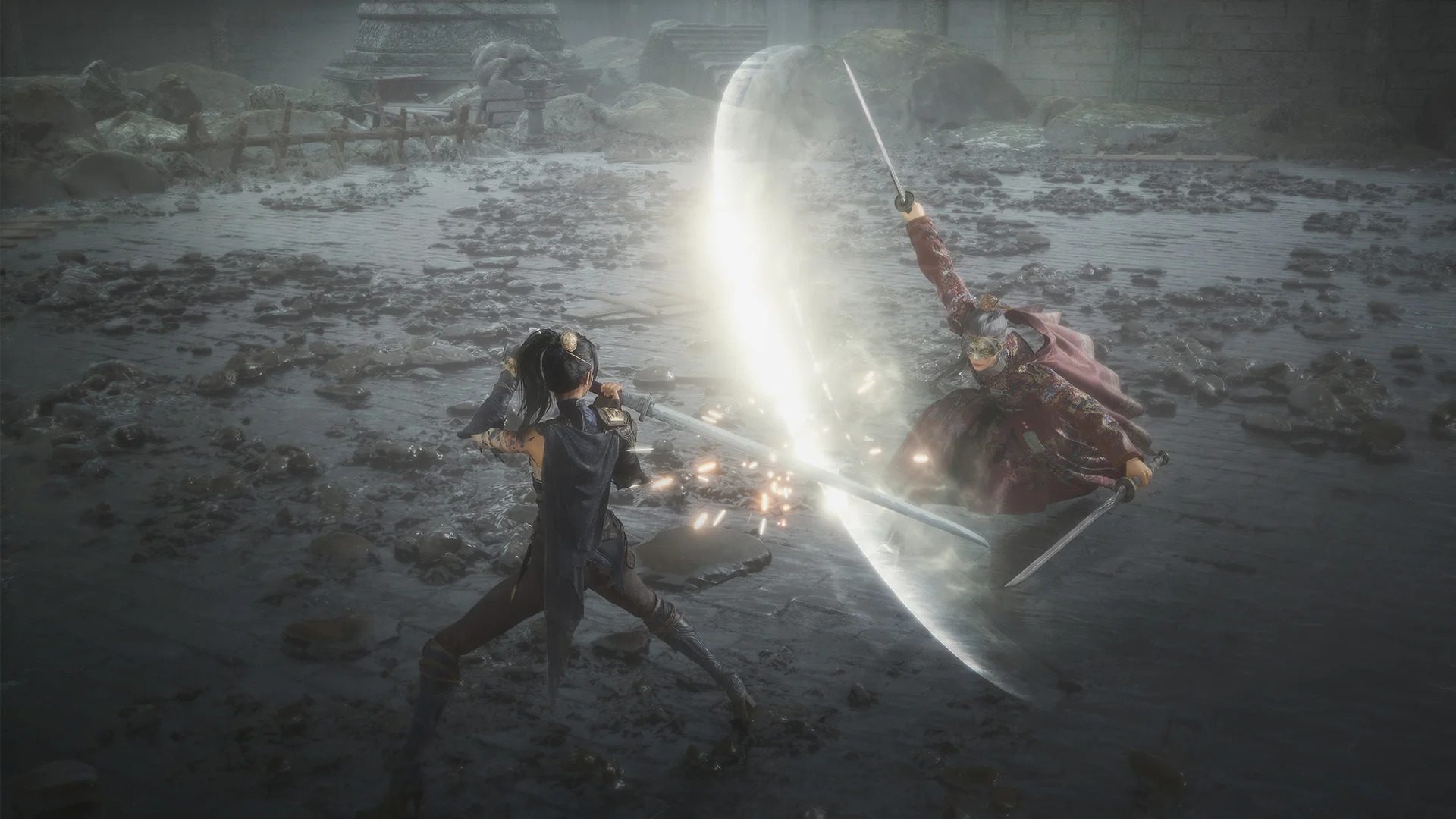
The game takes place during the late years of the Ming Dynasty, and in the ancient kingdom where the modern-day Sichuan province is located. The main backstory of the game is that the kingdom has been consumed by The Feathering Disease, a supernatural affliction that mutates the infected into grotesque, feathered abominations. As civil unrest and imperial decay intensify, the line between the physical world and spiritual corruption begins to blur. This mix of historical decline and folkloric horror gives Wuchang a unique atmosphere—one that separates it from Western counterparts in the genre. It’s not just about a collapsing dynasty; it’s about rot, plague, and the madness that spreads like wildfire when humanity is left with nothing to believe in. You play as Bai Wuchang, a wandering swordswoman afflicted by the very disease she’s trying to understand. With every enemy defeated, her body sprouts more feathers, and her powers become more monstrous. The game’s central mechanic revolves around this transformation system, dubbed “Corruption.” The more you give in to the curse, the stronger your abilities become, but at the cost of control, narrative consequences, and, eventually, your humanity. It’s a compelling twist on the Soulslike formula: not only is survival key, but so is restraint.
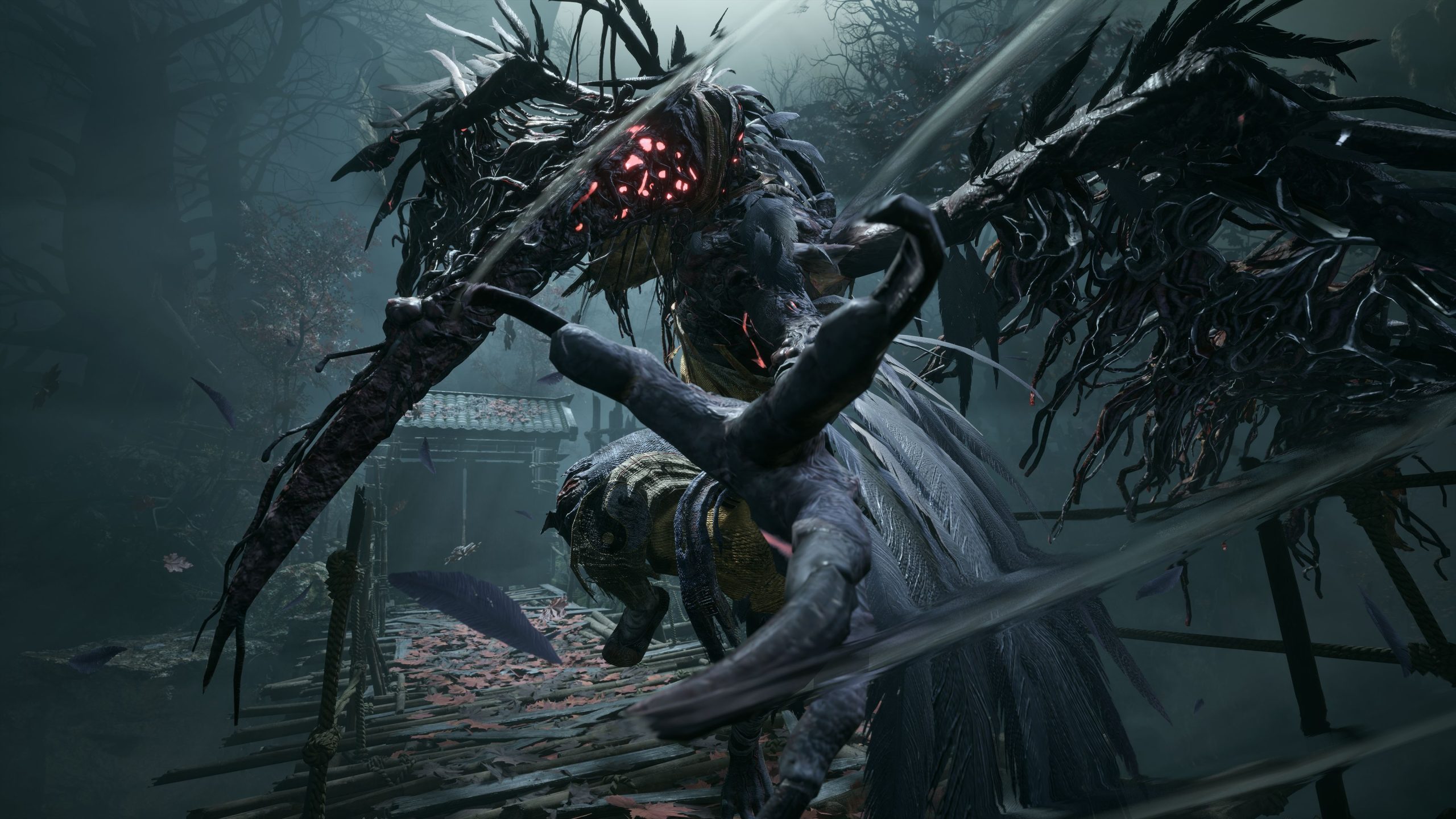
As for the combat, it feels familiar in a good way. You’ll find stamina-based attacks, dodge rolls, parries, and a focus on precise timing. But what makes Wuchang stand out is its dual-weapon stance system, allowing you to switch between graceful swordplay and brutal halberd strikes. The transition is smooth and strategic—light and heavy attacks take on new life depending on your stance. Boss fights were a highlight for me: they’re monstrous, aggressive, and often emotionally unsettling. Whether you’re battling a once-loyal general fused with a bird demon or a shrieking infected child clinging to its last memory, the designs are grotesquely memorable. These aren’t just tough enemies; they tell stories through their very existence. Which is a form of storytelling that Soulslike has mastered in the years since the first Dark Souls. Then you have progression, which is handled through standard Soulslike tropes: you collect essence from fallen enemies (here called “Spirit Dust”), which you use to level up at ritual altars. Weapons and armor are upgradable, and there are branching skill trees that allow for light builds, heavy tanking, or corruption-enhanced magic. While not groundbreaking, the customization is deep enough to allow different builds that feel viable. New Game Plus options exist, and certain quests and endings only become available with multiple playthroughs, adding a fair amount of replay value.
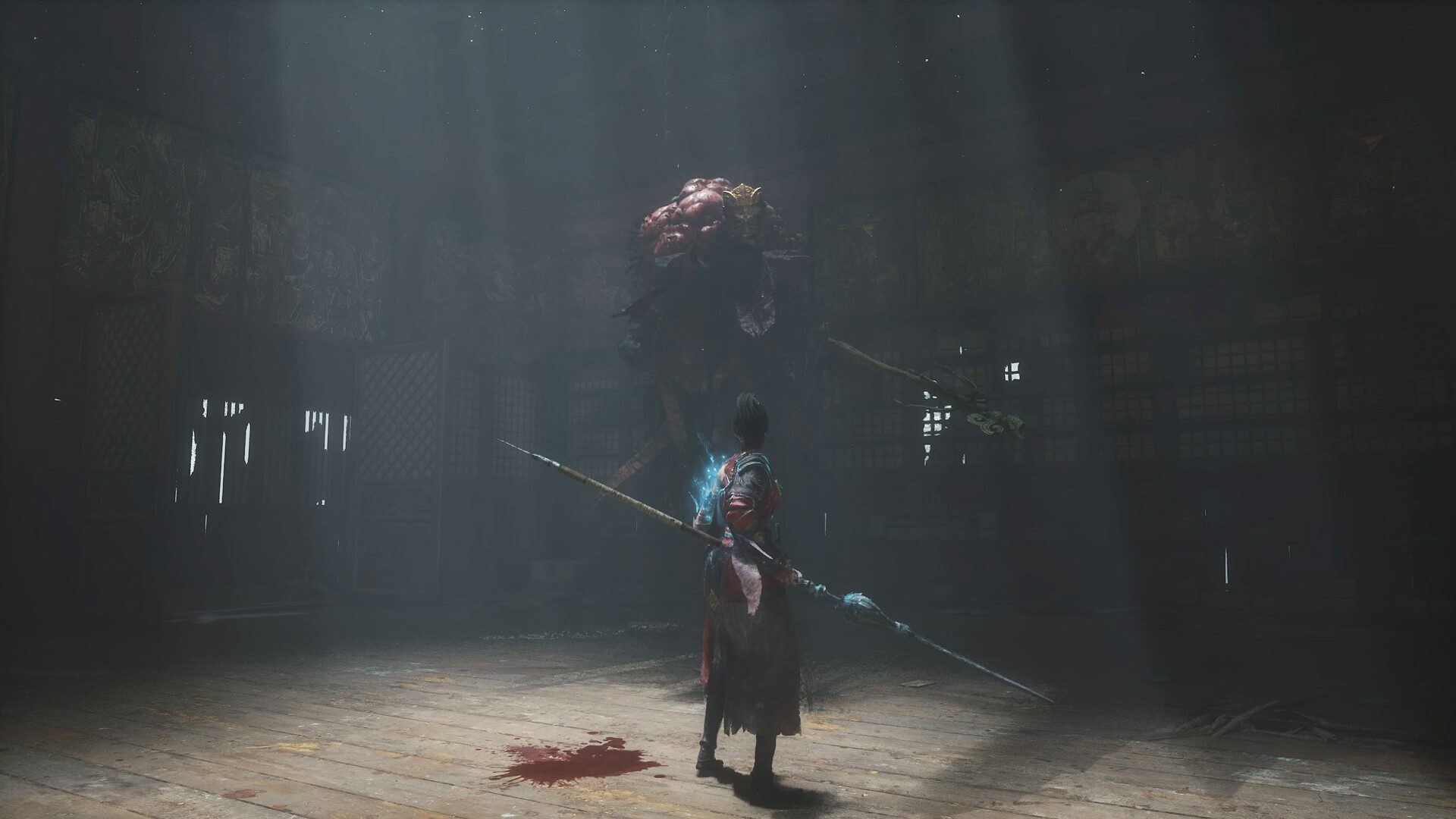
With all of that said, Wuchang doesn’t always hit its mark. Enemy AI can be inconsistent, with some foes locked into repetitive patterns while others cheese you from off-screen. Hit detection can be floaty, especially when fighting in narrow hallways or uneven terrain. And while the Corruption mechanic adds narrative weight, it sometimes clashes with quest design, turning you away from certain NPCs or locking off dialogue in ways that feel punishing rather than meaningful. This system wants to evoke the tension of Bloodborne’s Insight or Sekiro’s Dragonrot, but it needs refinement to fully land. As for the world itself, though, it is beautifully realized. Leenzee Games clearly poured a lot of effort into creating dense, interconnected areas rich with cultural detail. Ornate pagodas, fog-drenched mountains, and blood-stained battlefields are rendered with a painterly sharpness. Environmental storytelling is subtle but effective—overgrown graveyards littered with broken prayer tablets, shrines overtaken by fungus, and crumbling statues that bleed when struck. The game wants you to slow down and look. And when you do, it rewards you, not always with items, but with an emotional texture that deepens the journey. On the technical front, Wuchang shows both ambition and strain. Visually, it’s a stunning game—especially on PS5—with lighting that highlights the grime and grandeur of its world. But there are frame rate issues in larger zones and frequent texture pop-ins during fast travel or boss entrances. Load times can be surprisingly long, and while nothing is outright broken, it’s clear the game is pushing the limits of its engine. Hopefully, Leenzee addresses these issues with post-launch patches, because under the rough edges is something that really deserves to shine.

In the end, is this game worth your time? Well, considering it’s launching on Game Pass if you have that on Xbox, the barrier to entry is low, and for that reason alone, it’s worth a shot if you’re even remotely curious. Wuchang: Fallen Feathers isn’t the most refined or groundbreaking Soulslike out there, but it has enough originality, style, and eerie atmosphere to stand apart from the pack. It may not dethrone Elden Ring or Lies of P, but it doesn’t need to. For fans of the genre, or anyone looking for a dark, folklore-infused twist on familiar gameplay, it’s absolutely worth checking out—especially when the cost is nothing but your time (and maybe your sanity).
Score: 8 out of 10
Reviewed on PlayStation 5
Play games, take surveys and take advantage of special offers to help support mxdwn.
Every dollar helps keep the content you love coming every single day.
