

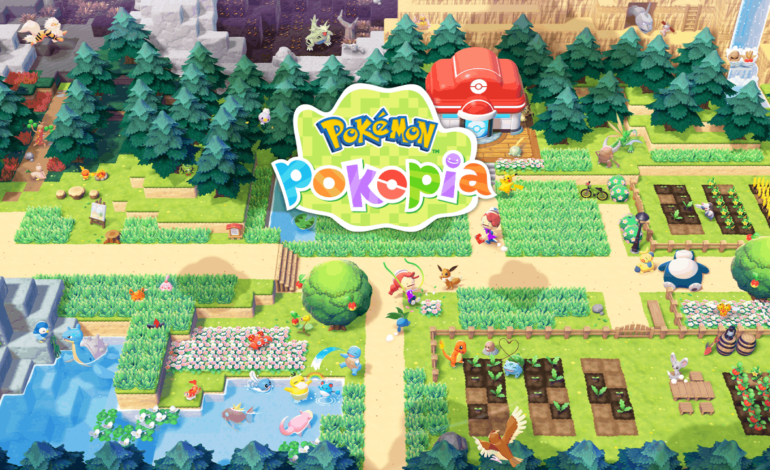
I remember reading an article in a Video Game Theory class I took as an elective one semester that argued the closer a community is to a real war zone, the less interest it tends to have in big-budget wartime FPS games. I thought about that idea again when I saw how much impact Pokémon Pokopia was having on the current zeitgeist. When a comfort game becomes the biggest game around, it usually says something about the world outside the screen. It suggests that, somewhere beyond your own bubble, things feel like they are spiraling out of control. We saw that happen with Animal Crossing: New Horizons in 2020, and now, nearly six years later, it feels like we are back there again. What began as Pokémon seemingly trying to carve out its own slice of the Stardew Valley formula has turned into something much more surprising: a better entry point into Pokémon than the mainline games themselves. After spending the last month with Pokémon Pokopia, and, at times, using it almost as a therapeutic routine, I can say with very little hesitation that this is one of the best Pokémon-related releases in a very long time. Not just because it is fun, but because it feels intentional, cohesive, and, most importantly, modern. That alone puts it ahead of where the series has been for years.
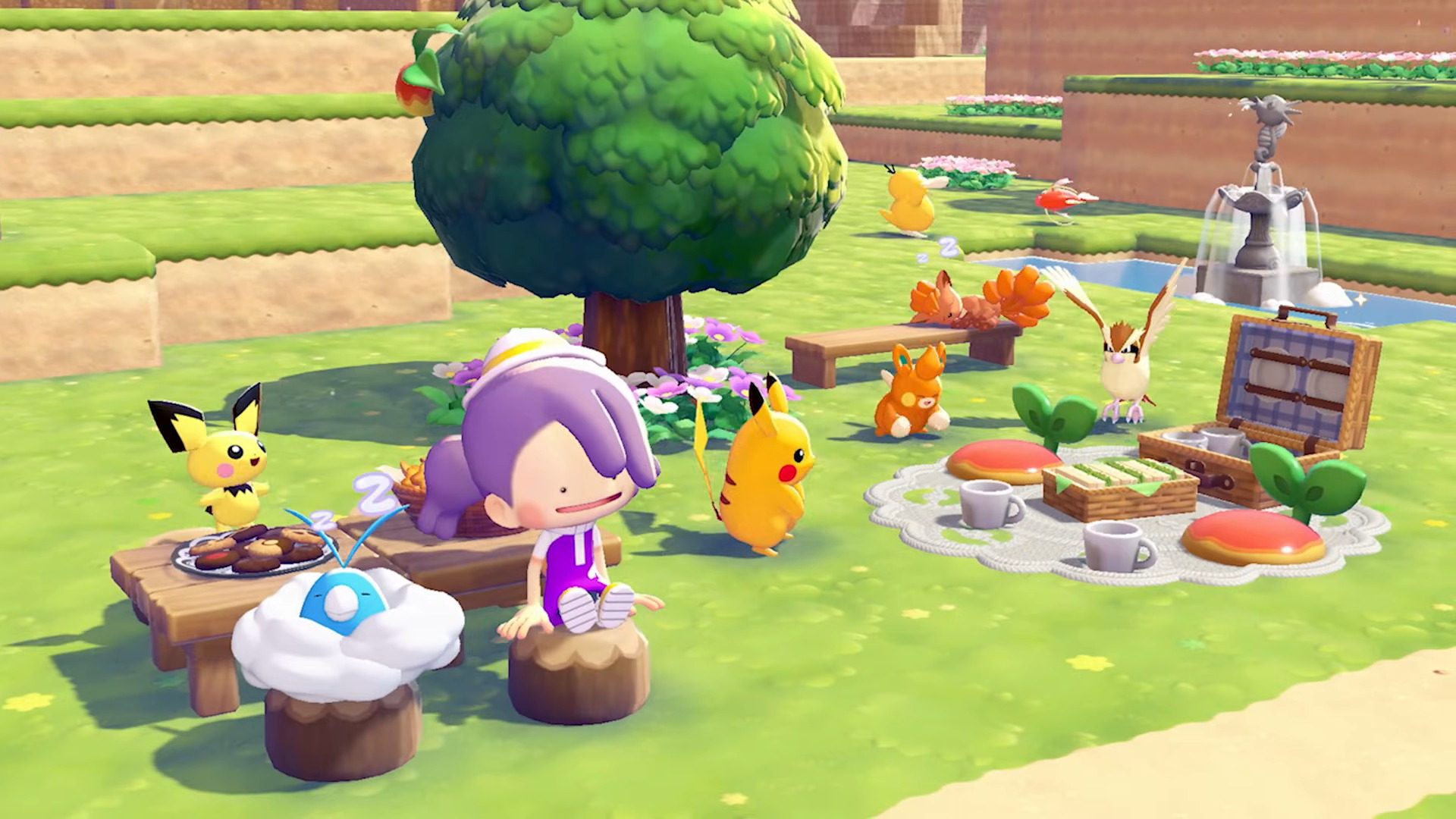
At its core, Pokopia is a life-sim hybrid built around restoration and routine. You are placed into a quiet, slightly worn-down world and asked to rebuild it piece by piece. The structure is simple: gather resources, improve your surroundings, help the creatures around you, and slowly expand what you’re capable of doing. It’s a familiar loop, but one that feels refined rather than recycled. There’s very little friction here; everything flows in a way that makes it easy to lose hours without realizing it. The most significant shift comes from how Pokémon are treated. They are not just tools for combat or entries in a collection log; they are part of the environment itself. They exist alongside you rather than beneath you. Some assist with tasks, others simply occupy space, but all contribute to the sense that this world functions because of their presence. For a franchise that has spent years abstracting Pokémon into systems and numbers, this feels like a return to something more fundamental. That shift fundamentally changes how you play. Instead of optimizing or min-maxing, you start paying attention. You notice how different Pokémon behave, how they respond to certain environments, how your actions shape the space around them. Even the smallest interactions carry a bit more weight because they feel grounded in the world rather than gamified. It’s a subtle but powerful difference, and it’s what gives Pokopia its identity.
Mechanically, the game borrows from familiar territory, farming sims, town-builders, and life simulators, but it does so with a level of restraint that feels increasingly rare. You are never overwhelmed with systems or objectives. Instead, the game gives you just enough to engage with, trusting that the core loop is strong enough to sustain your interest. And for the most part, it is. The repetition that might feel tedious in another game becomes calming here, almost meditative. That sense of rhythm is where Pokopia excels. It doesn’t rush you. It doesn’t pressure you. It allows you to exist in its world at your own pace. Over time, that freedom becomes routine, and that routine becomes something surprisingly personal. It becomes less about progression and more about presence. 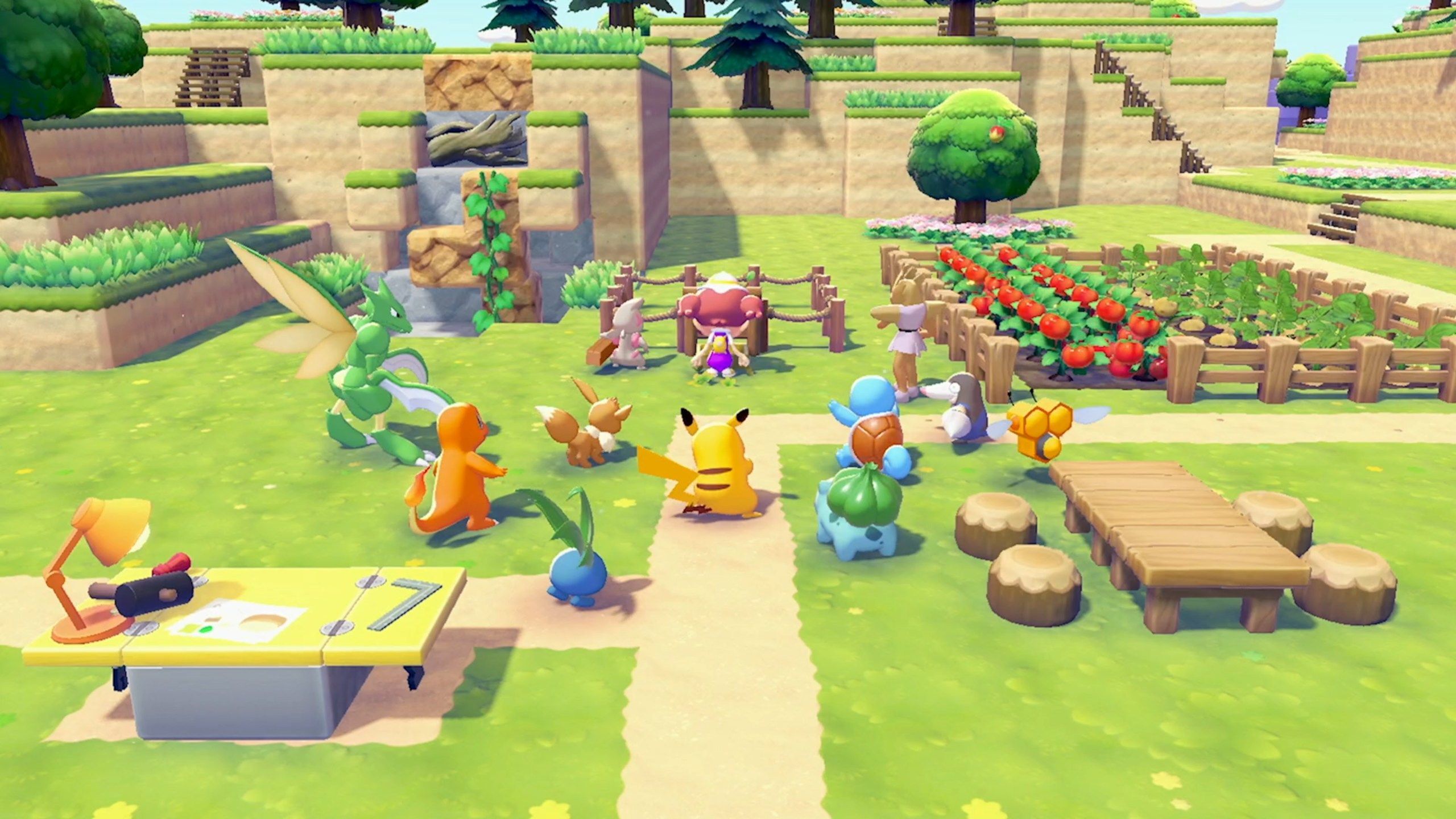
Of course, that design philosophy won’t work for everyone. The pacing is slow, and there are moments where it lingers just a bit too long without introducing something new. Players looking for constant stimulation or clear, goal-driven progression might find themselves disengaging. But for those willing to meet the game on its own terms, that slowness is part of what makes it effective. There are also limitations to how deep the systems go. After enough time, patterns begin to emerge, and some interactions lose their sense of novelty. The Pokémon, while consistently charming, don’t always evolve in ways that fully match the time you invest in them. These are noticeable shortcomings, but they never feel significant enough to undermine the overall experience.
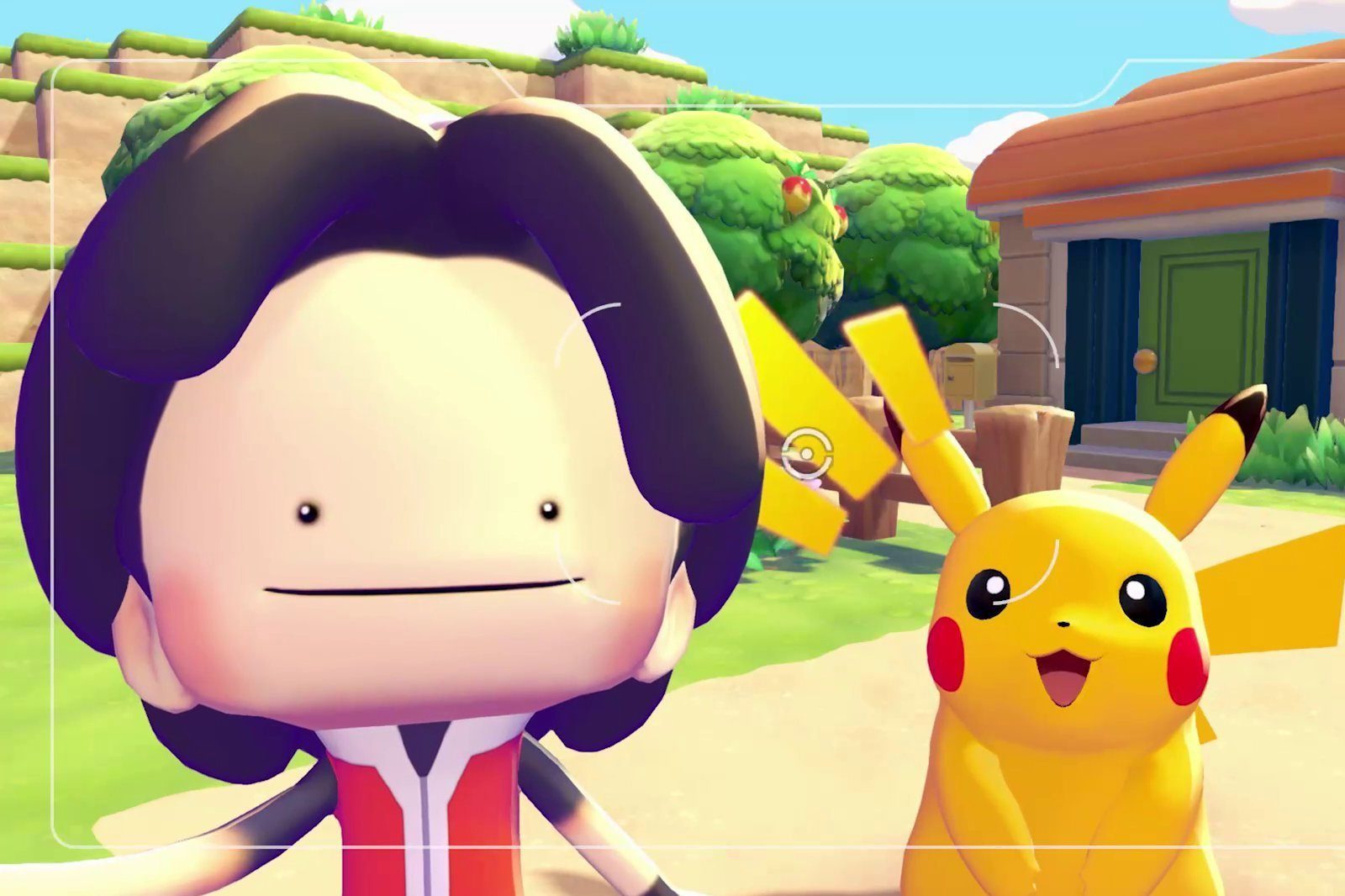
What helps elevate everything is the game’s presentation. Visually, Pokopia leans into a soft, painterly aesthetic that prioritizes warmth and cohesion over detail. The environments feel lived-in, even in their quieter moments, and there’s a consistent tone that ties everything together. It’s not trying to impress you with scale; it’s trying to make you comfortable, and it succeeds. The sound design complements that perfectly. The music is understated, almost blending into the background, but it subtly reinforces the game’s atmosphere. It’s the kind of soundtrack that doesn’t demand your attention but enhances your experience in ways you only notice when it’s gone. More than anything, Pokopia understands why games like this resonate. It’s not just about escape, it’s about structure. It’s about having a space where your actions have clear, manageable outcomes. You fix something, and it stays fixed. You build something, and it remains. In a world that often feels unpredictable, that consistency becomes incredibly valuable.
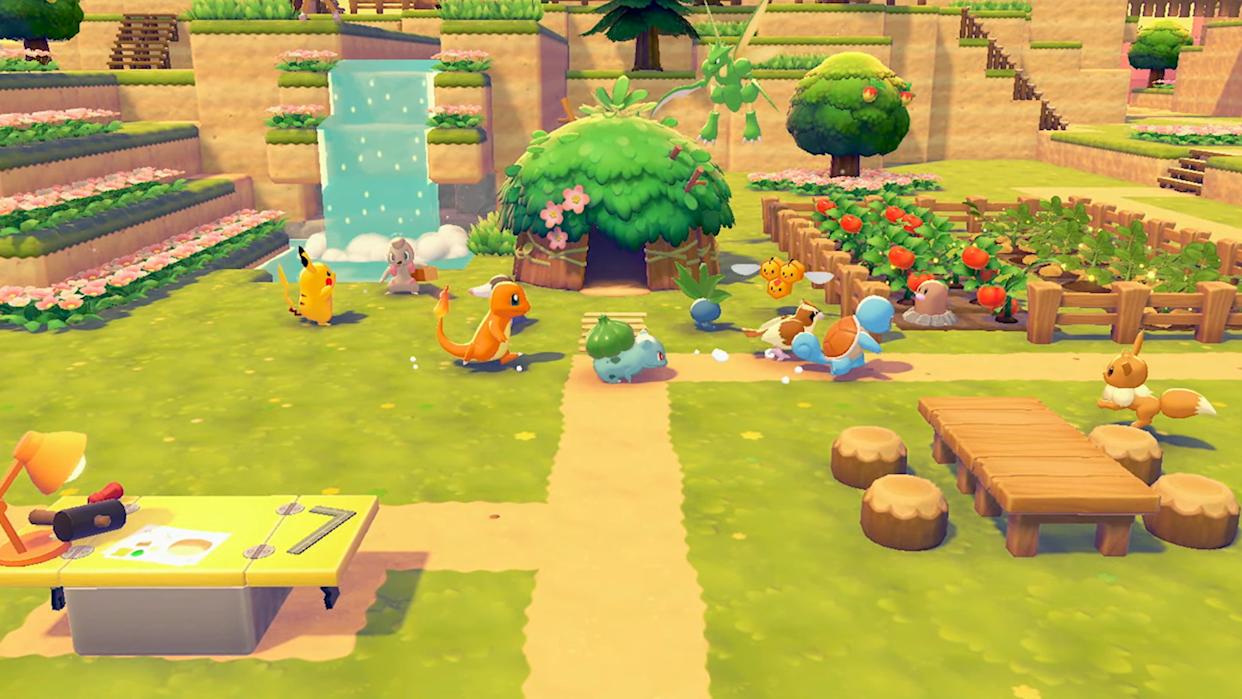
That’s also what makes its timing feel so relevant. The rise of comfort-driven games isn’t accidental; it reflects a broader need for stability and control. Pokopia fits into that moment perfectly, offering an experience that feels both timely and timeless. What’s most impressive, though, is how it reframes Pokémon itself. For years, the series has struggled to evolve without losing its identity, often settling into a cycle of incremental changes. Here, by stepping away from the traditional formula entirely, it manages to rediscover something that feels more authentic than anything the mainline games have attempted in years. It’s not about becoming stronger. It’s not about collecting everything. It’s about coexistence. And in embracing that idea so fully, Pokopia doesn’t just feel like a successful spin-off; it feels like a glimpse of what Pokémon could be if it allowed itself to change.
After spending a month with the game, I found myself returning to it not out of obligation, but out of habit. It became something I checked in on, something that fit naturally into my day. That’s a rare achievement, and one that speaks to how well the game understands its own design. Pokopia isn’t flawless. Its pacing can occasionally drag, and its systems don’t always reach the depth they hint at. But those issues feel minor when compared to what it accomplishes overall. It delivers a cohesive, thoughtful experience that stands out not because it does everything differently, but because it does the right things exceptionally well. At a time when everything feels like it’s accelerating, Pokopia succeeds by slowing things down. It asks you to pay attention, to settle into a rhythm, and to find meaning in small, consistent actions. And in doing so, it doesn’t just offer comfort, it earns it.
Score 9 out of 10
Reviewed on Nintendo Switch 2
