
 Diego Villanueva December 22nd, 2025 - 9:19 AM
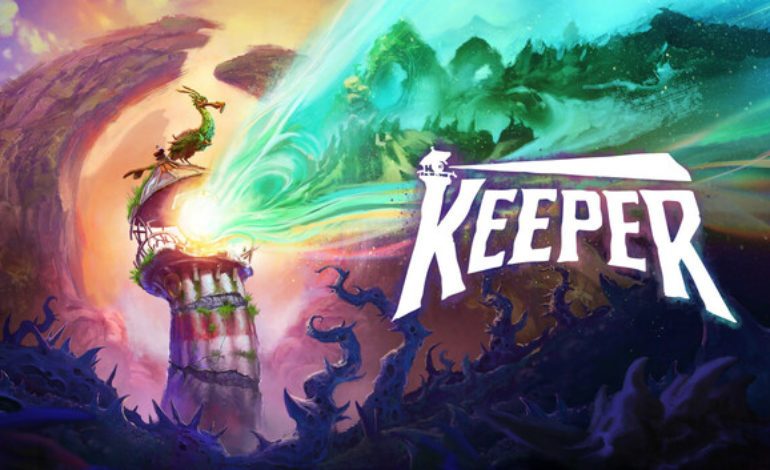
Sometimes you hear about a game, think “that’s an interesting premise,” and then go to look it up—only to find that nine out of ten articles are about the parent company doing something stupid. That’s one reason why the conversation around Keeper, Xbox’s tiny lighthouse game, has been getting little attention. In the middle of Microsoft quietly stepping away from the console space, they dropped this as an Xbox exclusive the same week they announced Halo would be coming to PlayStation. But if we separate the art from the company, how is Keeper on its own? Well, it’s from Double Fine, and that alone gives it a bump in the creativity department. It feels like something from the old Summer of Arcade lineup on the Xbox 360—short, clever, and intimate, the kind of afternoon-sized game that doesn’t overstay its welcome.
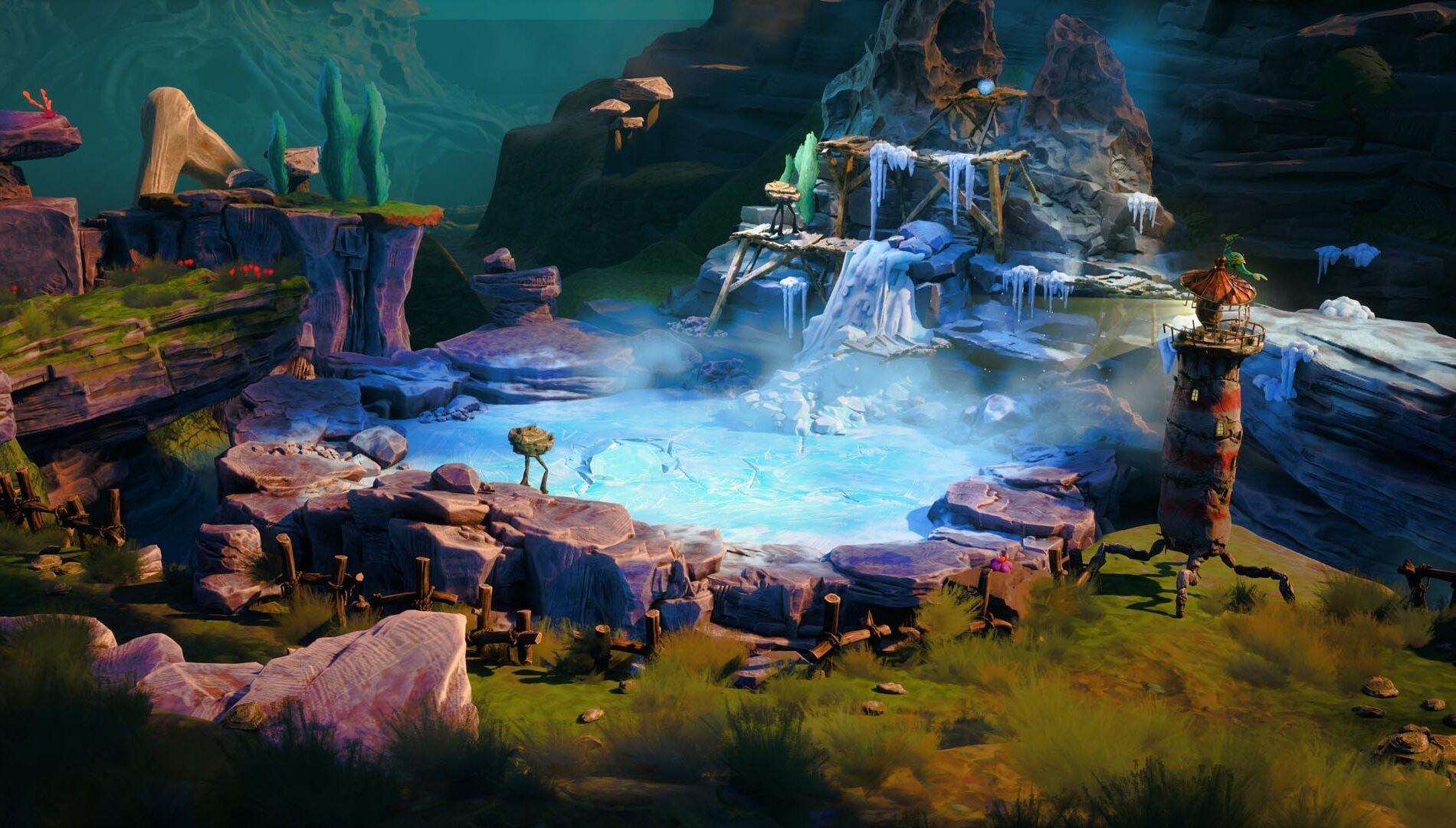
You play as a long-forgotten lighthouse, somehow mobile, waking up in a world without humans. A small seabird companion named Twig joins you as you traverse surreal islands, fog-shrouded ruins, and a creeping threat known only as the Wither. From the moment the lighthouse stirs, there’s no dialogue—no text, no speech. The story unfolds through movement, the beam of light, and the environment itself. This gives Keeper a contemplative, quiet, mildly ominous tone—part Firewatch’s solitude, part Inside’s wordless tension. But there’s that unmistakable Double Fine quirk: you’re not a hero, or a psychic, or a child with powers—you’re a walking, groaning, semi-sentient tower. There’s something absurdly poetic about that.
Gameplay is modest but inventive. The lighthouse can walk across terrain and use its light to interact with the world—burn away fog, awaken vines, guide Twig, or dispel the Wither’s black tendrils. Twig adds another layer: it can pull levers, carry objects, or scout paths the lighthouse can’t reach. Puzzles aren’t complex; they’re about curiosity rather than challenge. Each area becomes a small sandbox of light, bird, and environment—find how the pieces connect, and you move forward. The sense of progression comes from quiet understanding, not flashy “level complete” screens.
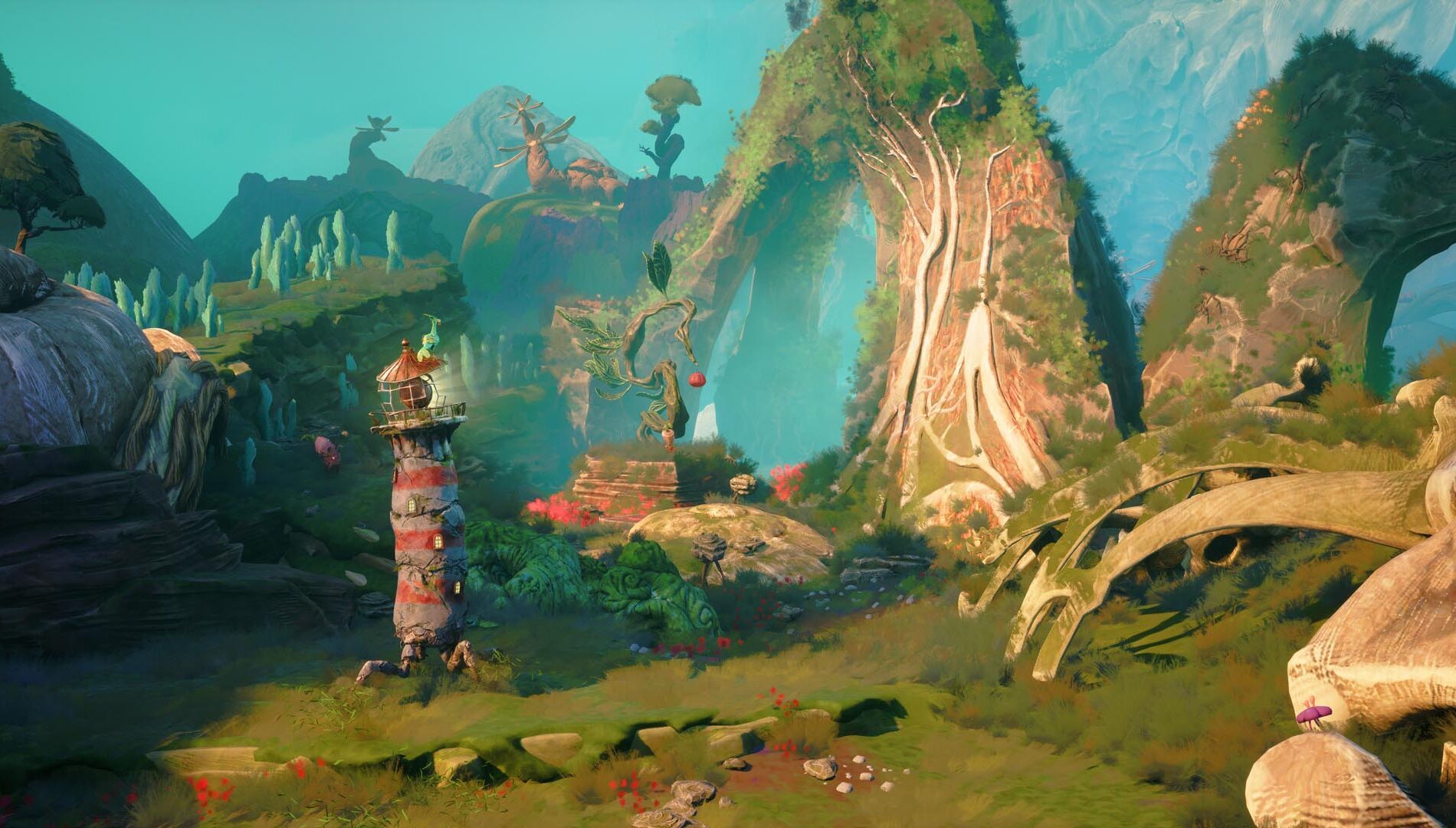
If there’s one frustration, it’s the fixed camera angles. They’re cinematic, yes, but also clunky. Sometimes you’ll hit that PS1-era snag where you can’t move forward because you’re slightly misaligned with the invisible path. The painterly art style, while gorgeous, can make it hard to read where the terrain begins or ends. After an hour or two, though, your brain adjusts—you learn the rhythm of the world and its rules. Thankfully, the game doesn’t stretch itself too thin. It’s about five hours long, the perfect length for a moody, atmospheric experience that knows when to stop.
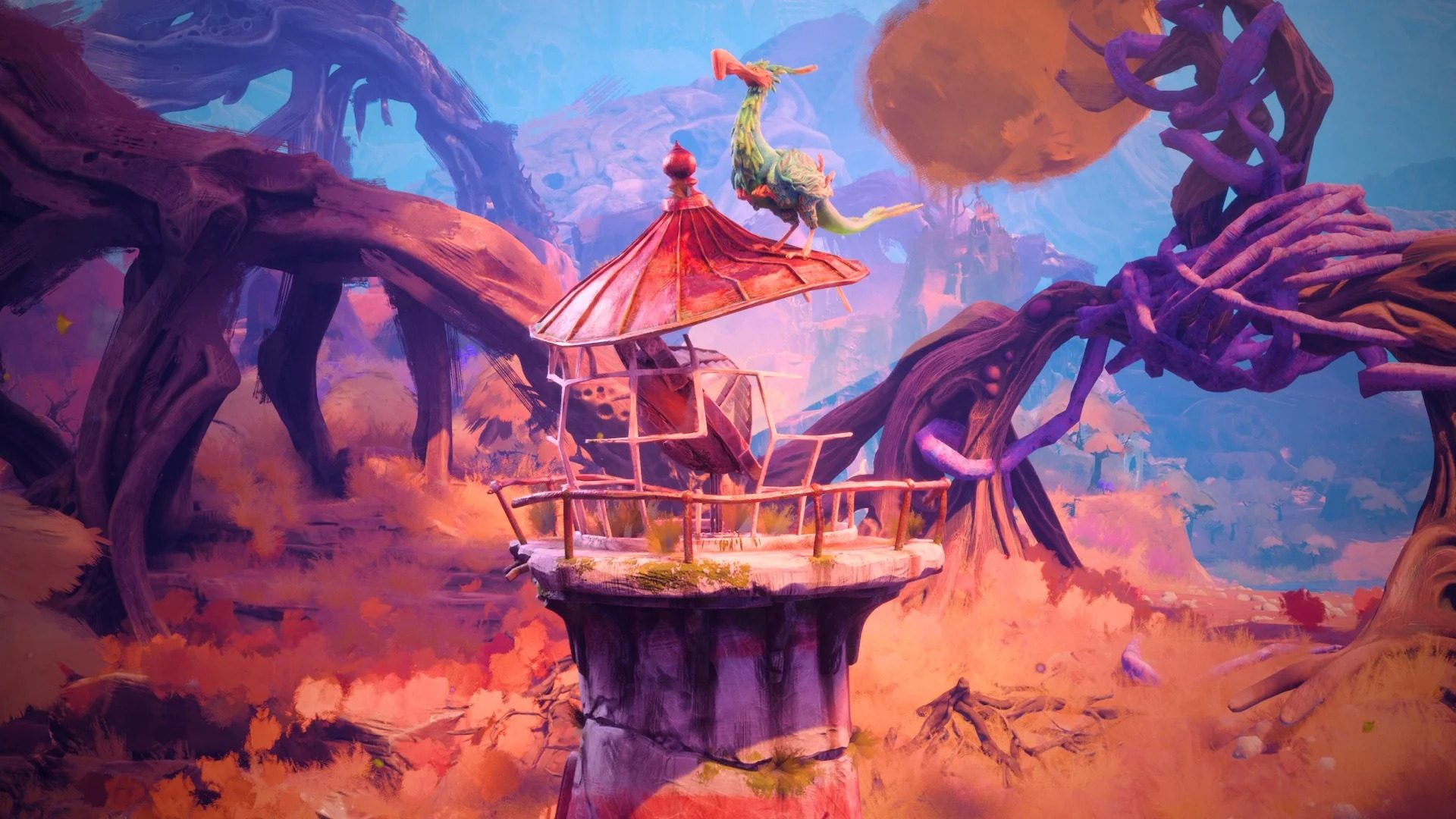
Visually, Keeper is a dream. Its surreal landscapes blend Dali’s strange deserts with the lonely geometry of a forgotten world. The color palette shifts from deep grays and greens to warm, melancholic oranges. The art direction feels handcrafted—every frame could be a painting. The sound design is just as strong: wind, waves, the slow creak of metal, and the soft buzz of the light. There’s no score-pushing emotion; instead, a minimalist ambiance builds a mood that seeps in rather than shouts. Because the game has no dialogue or text, every visual and sound cue must carry meaning—and Double Fine nails that balance.
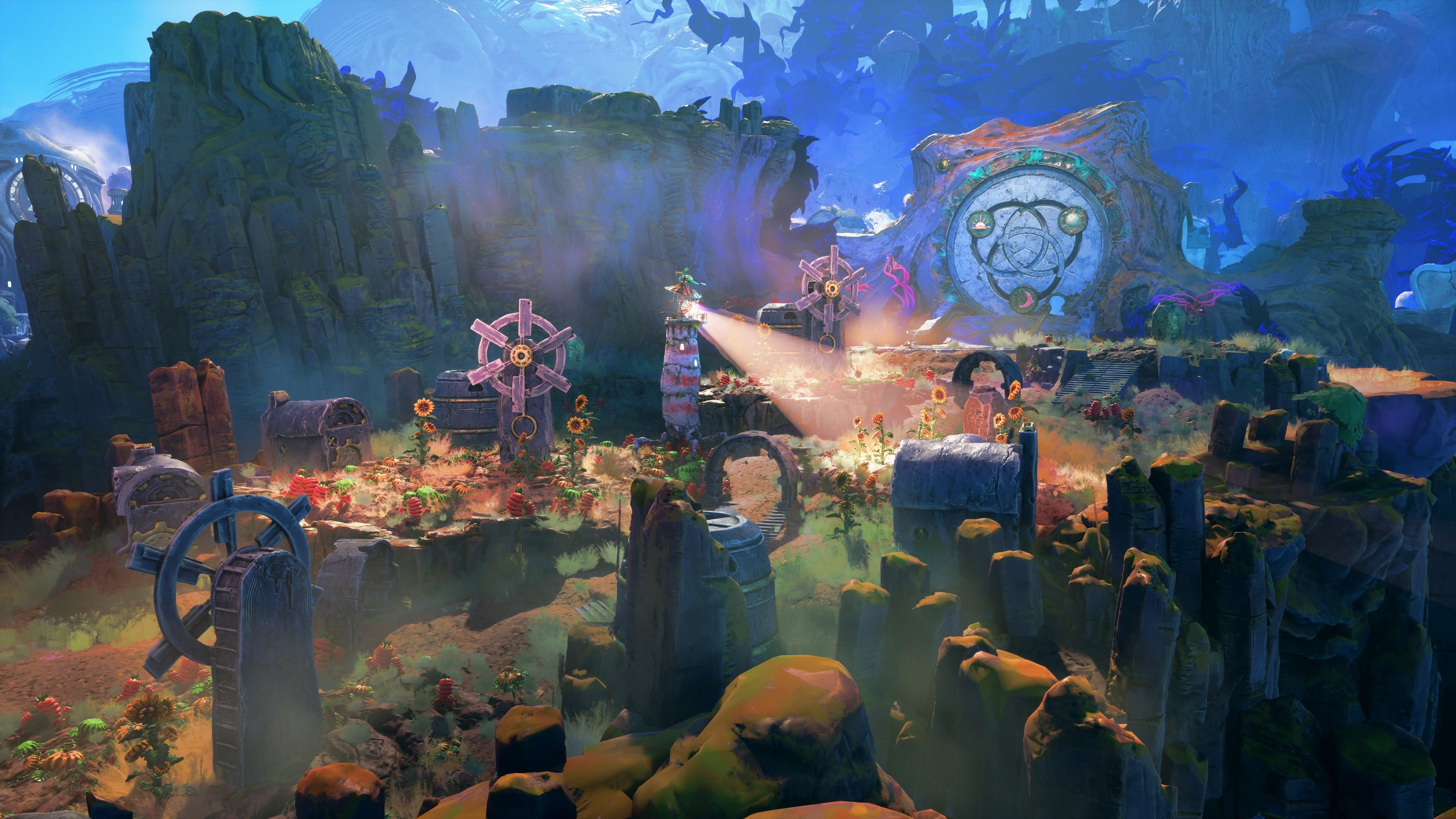
Underneath the atmosphere, Keeper quietly wrestles with big themes—guardianship, isolation, decay, and rebirth. The lighthouse exists to shine for others, yet now it wanders alone. The Wither becomes a metaphor for entropy, while Twig symbolizes companionship and hope. Nothing is explained outright; the game trusts you to interpret its imagery. That restraint might frustrate those wanting a clear narrative, but it’s part of Keeper’s charm. It’s a meditative experience rather than a story-driven one—less about what happens and more about what it feels like to persist when the world forgets your purpose.
In a gaming landscape obsessed with live-service models and 80-hour grinds, Keeper feels refreshingly sincere. It doesn’t demand mastery or endless playtime—it just wants to be felt. When you finish, you’re left with that quiet satisfaction that something small but meaningful just passed through you.
So, is Keeper worth your time? If you have Game Pass and an open afternoon, absolutely. It’s not a system-seller or a megaton exclusive—it was never meant to be. It’s a modest project from a studio still brave enough to make games about feelings instead of features. In an era when Xbox seems to be losing its creative soul to spreadsheets and strategies, Keeper feels like a flickering reminder that someone still cares about the art of game-making. It’s small, strange, and unassuming, asking little from you except your attention. In return, it gives you a beautifully crafted journey of light, loneliness, and quiet rebirth—a meditation more than a mission. And in its own understated way, that’s something kind of special.
Score: 8 out of 10
Reviewed on Xbox Series X
Play games, take surveys and take advantage of special offers to help support mxdwn.
Every dollar helps keep the content you love coming every single day.
