
 Diego Villanueva December 8th, 2025 - 8:24 AM
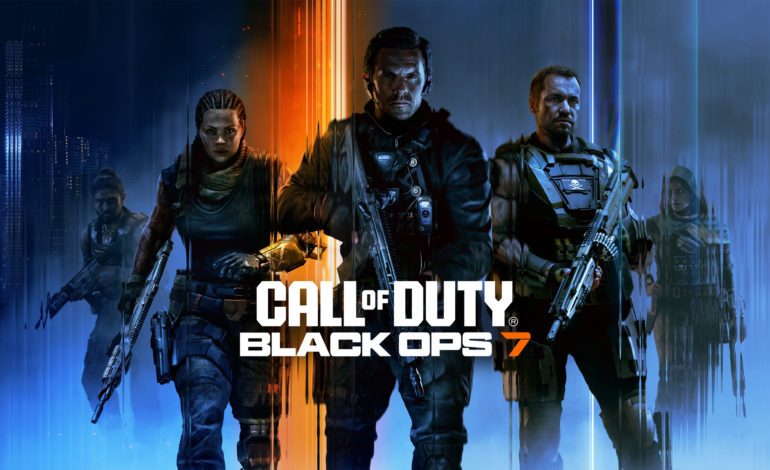
It honestly feels like we’ve slipped back into 2016 this fall in the gaming world. Once again, the community is collectively celebrating a brand-new Battlefield while screaming into the void about the newest Call of Duty—except this year, the usual CoD diehards seem to be screaming too. Black Ops 7 has united almost every corner of the player base in collective disappointment, marking a swift and impressive turnaround from the surprisingly competent Black Ops 6 last year. But after playing it, the reasons become clear: this is a game built out of leftovers, corner-cutting, and the kind of corporate fatigue you can practically feel in the controller vibrations.
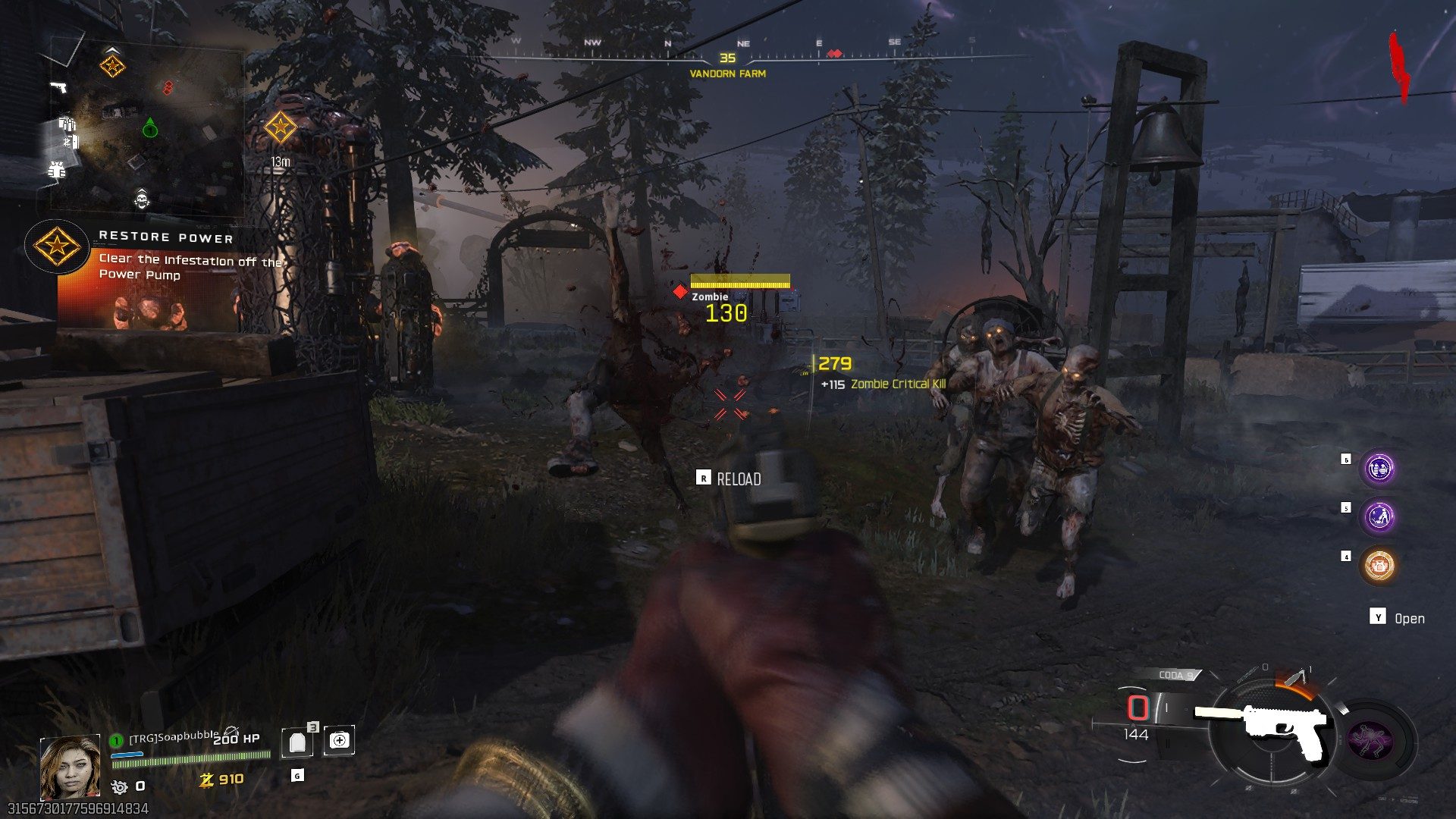
Coming off Battlefield 6—which delivered a polished multiplayer suite and a built-from-scratch single-player story—highlights the cracks in Black Ops 7 even more. The most glaring flaw is immediately apparent: the “campaign.” And I use that term generously. What Activision shipped here is less a story mode and more a lightly repainted mode of Warzone, masquerading as a narrative experience. It’s stitched together from reused environments, shallow objectives, and voice lines that sound like they were recorded in a hurry. There’s no attempt to hide the fact that it’s the same Warzone architecture underneath, and that lack of effort becomes a recurring theme as you move through the game. This bare-bones campaign exists for one reason: Activision tried removing campaigns once, and the outrage was so loud that they’ve been scared to repeat the experiment. And yet, most of the series’ core player base barely touches the story mode anyway. For many, it’s just another huge chunk of mandatory data attached to an already comically oversized file installation. Black Ops 7 somehow manages to bloat even further, weighing down your SSD with content that doesn’t justify its footprint.
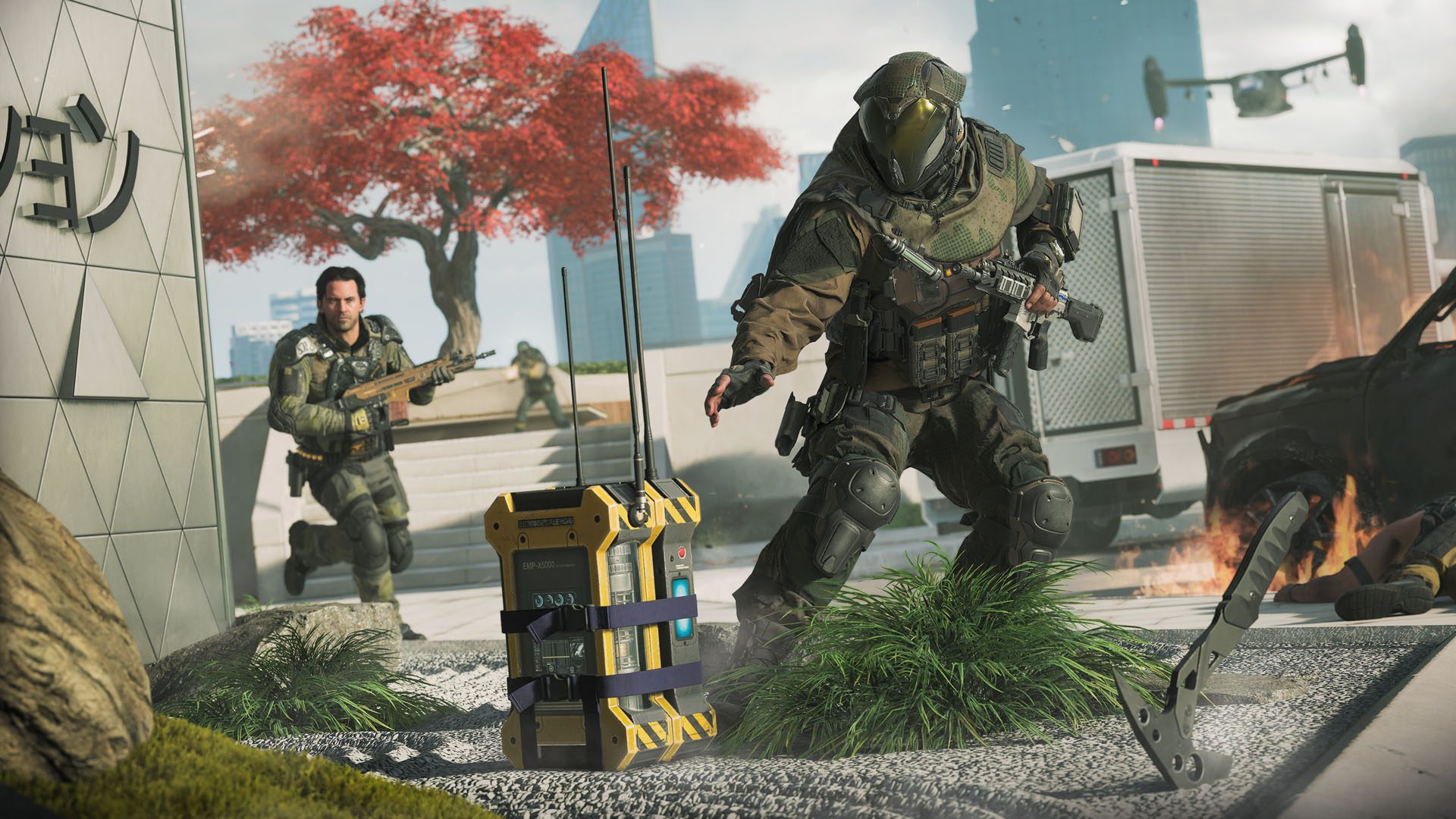
Once you step into multiplayer, things improve—but only slightly. This year’s maps are oddly uneven, split between a handful of tightly-designed classics and a batch of bland, uninspired arenas that feel like they were generated by a machine rather than crafted by a design team. The pacing is also off. While Black Ops titles usually strike a balance between arcade chaos and tactical flow, BO7 leans heavily into the chaos. Time-to-kill fluctuates wildly between weapons, and the spawn logic feels like it was never properly tuned. You’re just as likely to spawn behind someone as you are to spawn directly in front of an enemy barrel. Weapon handling is similarly inconsistent. Some guns feel fantastic, responsive, and punchy—clearly receiving the dev team’s attention. Others feel like they were thrown in at the last minute with placeholder recoil patterns. The balancing is, at launch, inconsistent. And given Activision’s recent track record, we’ll probably be spending the next four months watching YouTubers announce the “new meta” every Tuesday as nerfs and buffs bounce the sandbox around like a pinball.
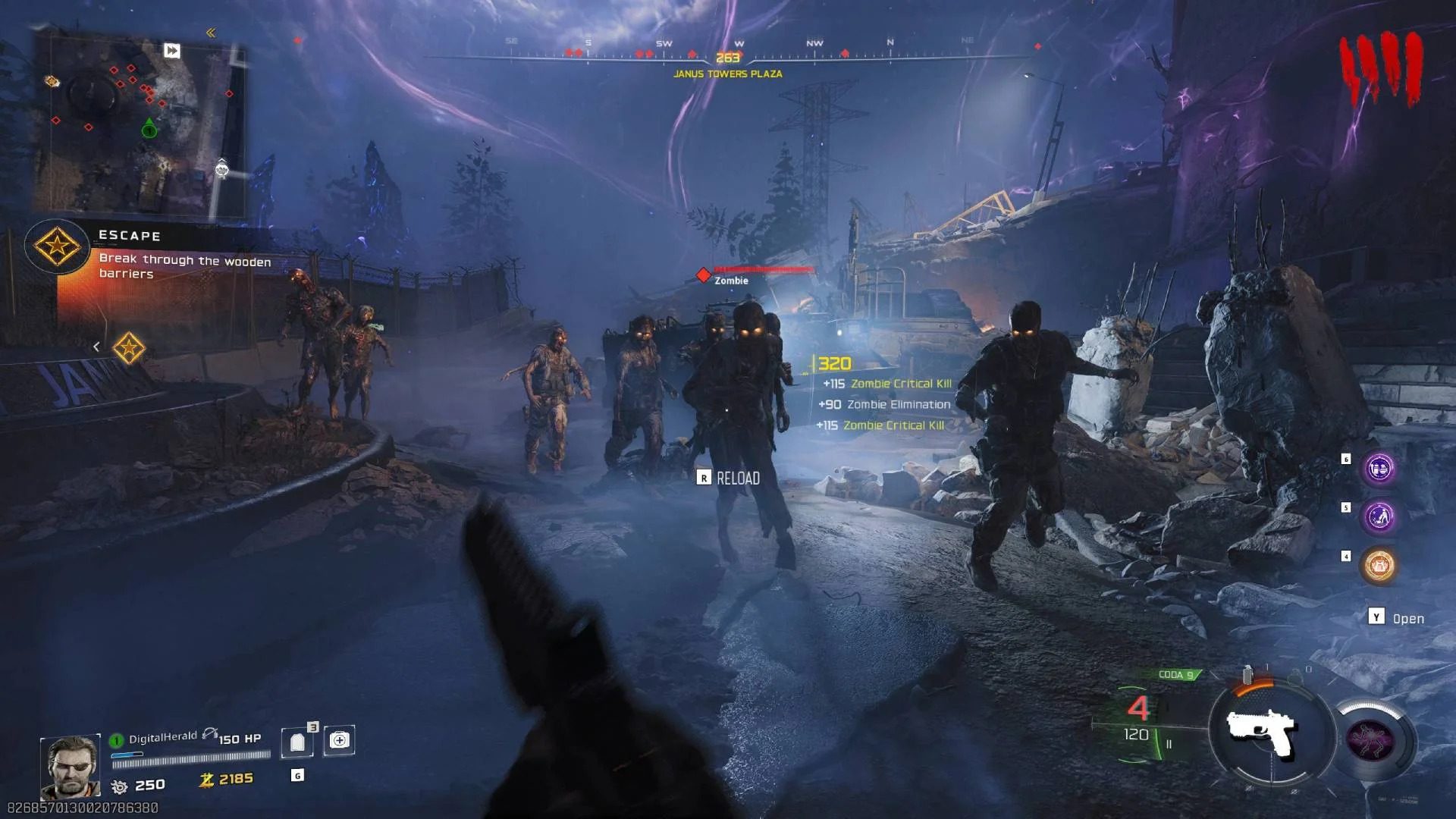
Then there’s Zombies—a mode that used to be one of the most creative aspects of the Black Ops sub-series. Here, it’s functional but uninspired. It reuses too many assets, enemy archetypes, and ideas from past entries without meaningfully iterating on them. The maps are serviceable, but nothing stands out. There’s no surreal twist or ambitious new mechanic. It’s Zombies on autopilot, offering enough content to keep hardcore fans busy but not enough to excite them.
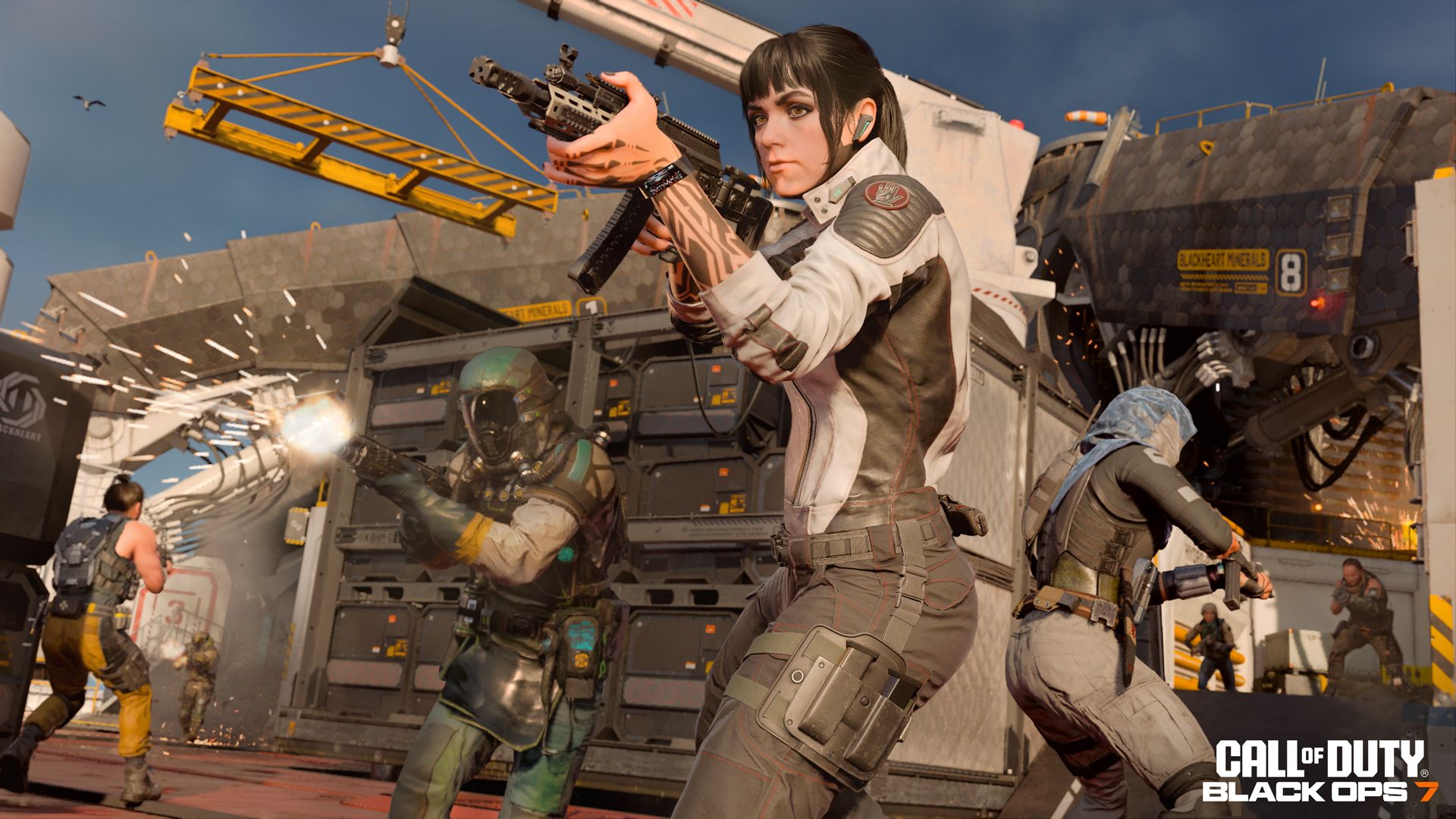
What might sting the most, though, is the game’s presentation. Black Ops 7 feels visually stagnant. The engine is starting to show its age, and the lighting, textures, and animations all scream “annual release fatigue.” Compare this to Battlefield 6, which delivered stunning environmental detail and destruction systems that feel genuinely modern. You can argue taste in gameplay, but one thing’s clear: one of these franchises feels like it’s pushing forward, and the other feels stuck in place. Monetization doesn’t help either. The battle pass is bloated, padded with filler cosmetics, and aggressively pushes players toward microtransactions. Even basic customization options are locked behind endless grind tracks or paid bundles. It’s the standard CoD economy, but with even less subtlety than usual. When a game is already struggling to justify its $70 price tag, the last thing it needs is a storefront shoved in your face every time you log in.
The saddest part is that you can tell the developers worked hard with what they had—they simply didn’t have enough time, resources, or direction. The pressure of an annual release cycle is suffocating this franchise. Black Ops 7 isn’t a disaster because the developers lack talent; it’s a disaster because the pipeline forces them to patch over old systems, reuse outdated tech, and hastily assemble modes, hoping it all holds together long enough to survive one holiday season. Black Ops 7 feels like the final warning sign. Not the death of the franchise, but the moment the audience finally stops giving it the benefit of the doubt. When even the most loyal fans throw their hands up, something is wrong. Very wrong. The game isn’t unplayable—but it is uninspired, uneven, and unmistakably rushed. For players already tired of Call of Duty’s yearly grind, this may be the last straw. And unless Activision rethinks the future of the franchise, this might be the year the community finally walks away.
Score: 4 out of 10
Reviewed on Xbox Series X
Play games, take surveys and take advantage of special offers to help support mxdwn.
Every dollar helps keep the content you love coming every single day.
