
 Diego Villanueva October 10th, 2025 - 7:00 AM
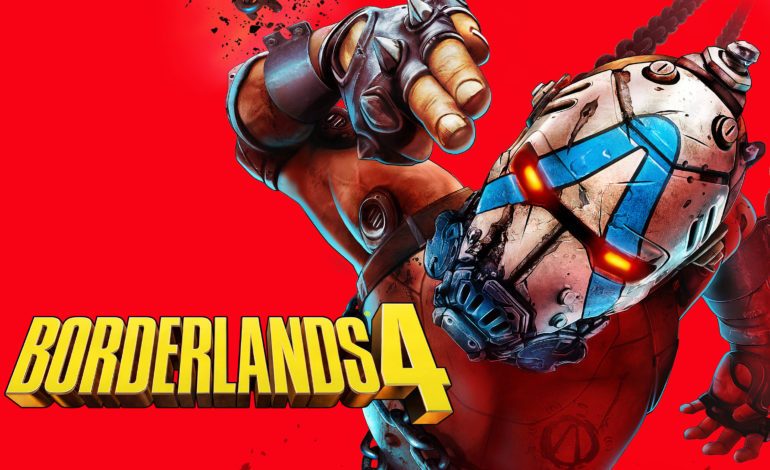
Here we go again. The first looter-shooter franchise to break into the mainstream before Destiny popularized the genre is back with another numbered entry. Yet unlike the triumphant fanfare surrounding Borderlands 2, the lead-up to Borderlands 4 was marked with skepticism and fatigue. Two recent releases—Borderlands 3 and Tiny Tina’s Wonderlands—were met with disappointment, either from bloated writing or half-baked systems. Even worse, the ill-fated film adaptation became one of the top three biggest box office disasters of 2024, leaving the brand in cultural freefall. To say hype was low would be an understatement. But Borderlands 4 arrived anyway, slipping into a year crowded with surprise releases and heavy hitters. After sinking more than fifty hours into its world, one thing is certain: this is still very much Borderlands. The chaotic gunplay, mountains of loot, and barrage of crude jokes are intact. That familiarity is both comforting and damning. In many ways, the game delivers exactly what fans expect—but little more.
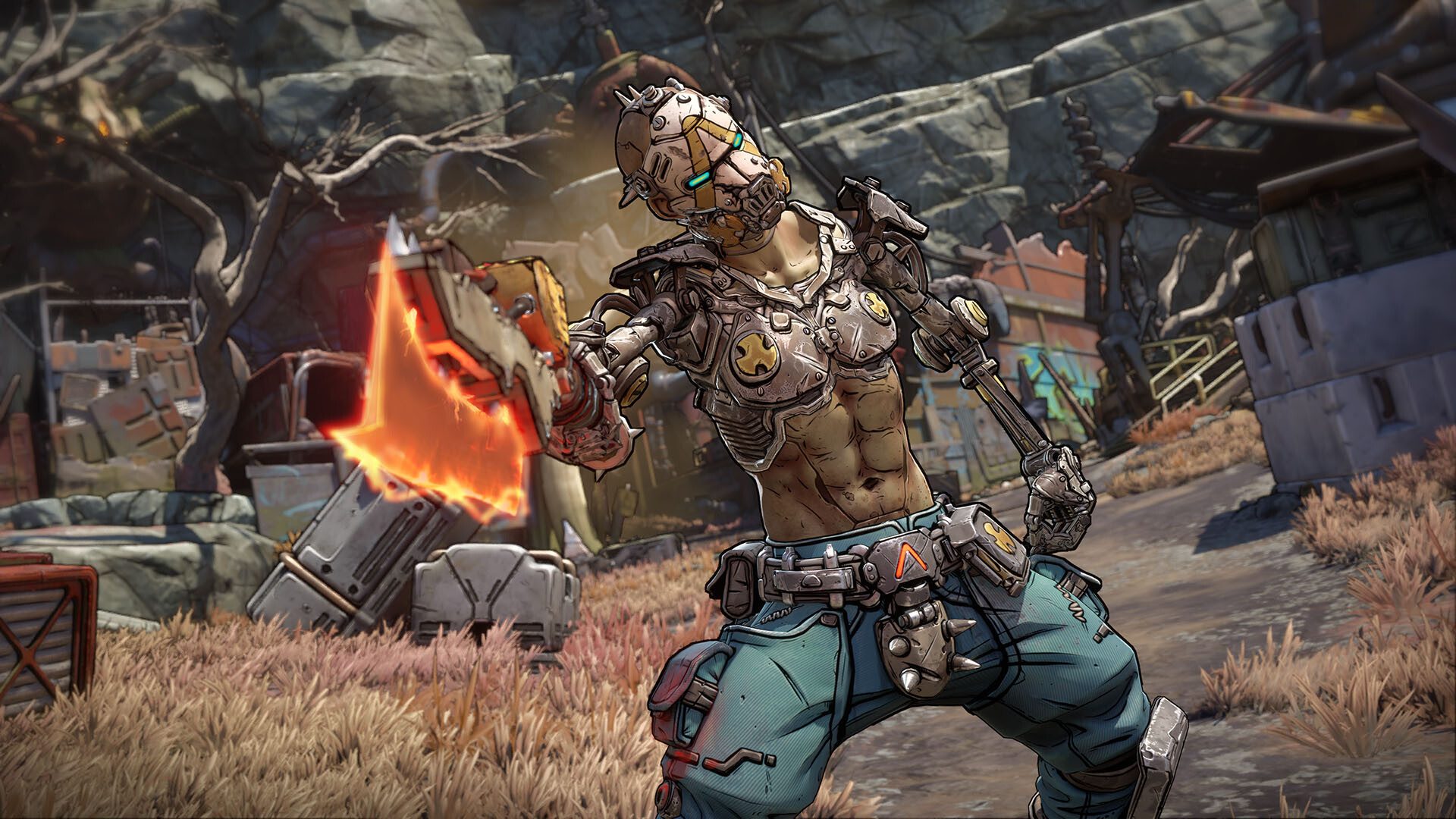
At its core, Borderlands 4 still knows how to make a firefight entertaining. The trademark “bazillions of guns” promise is alive and well, with procedurally generated weapons that spit out laser-beam shotguns, rocket-firing pistols, or elemental rifles that can melt enemies into puddles. Fights remain fast-paced and chaotic, built around constantly swapping weapons, popping abilities, and juggling reload animations. The combat loop is as addictive as ever—kill enemies, grab shinier loot, repeat. Yet for all the satisfaction of mowing down waves of psychos and bandits, a sense of stagnation sets in. The game introduces a handful of new mechanics; you have a grappling hook now, which can be used to swing up or pull cannisters towards you to throw at enemies. You also have elemental damage, which is something that few players would even notice, because your brain becomes wired to use the gun that makes the health bar go down faster, which is in tradition with most Borderlands games. Then you have the boss fights, which are big, but there is a big divide between well-designed ones and bullet sponges that do nothing but stand there and throw instant kill attacks towards you. The result is a combat system that is reliably fun but rarely surprising, a reminder that Borderlands is at its best when it embraces chaos, but at its worst when it mistakes endurance for challenge.
As for the story, Borderlands 4 tries to steer the series in a new direction after the divisive reception of Borderlands 3. If that game felt like an endless stream of MCU-style quips, this one leans hard into the brooding seriousness of a Snyderverse DC film. The result is a tonal shift that strips away much of the franchise’s trademark charm—what’s left is a narrative that isn’t particularly funny, rarely engaging, and anchored by a villain so bland you’ll forget him as soon as the credits roll. The new Vault Hunters are written with a more “grounded” edge, but the self-awareness and over-the-top absurdity that once made these characters stand out is largely missing. The main campaign takes you across a single planet under the dictator control of the Timekeeper, you have three paths to take and then you take the fight to him. Along the way, you meet characters old and new, while getting more and more loot. Instead of improving what worked in the mess that was Borderlands 3, Gearbox decided to put the brakes on so hard that they lost what made the Borderlands games stand out.
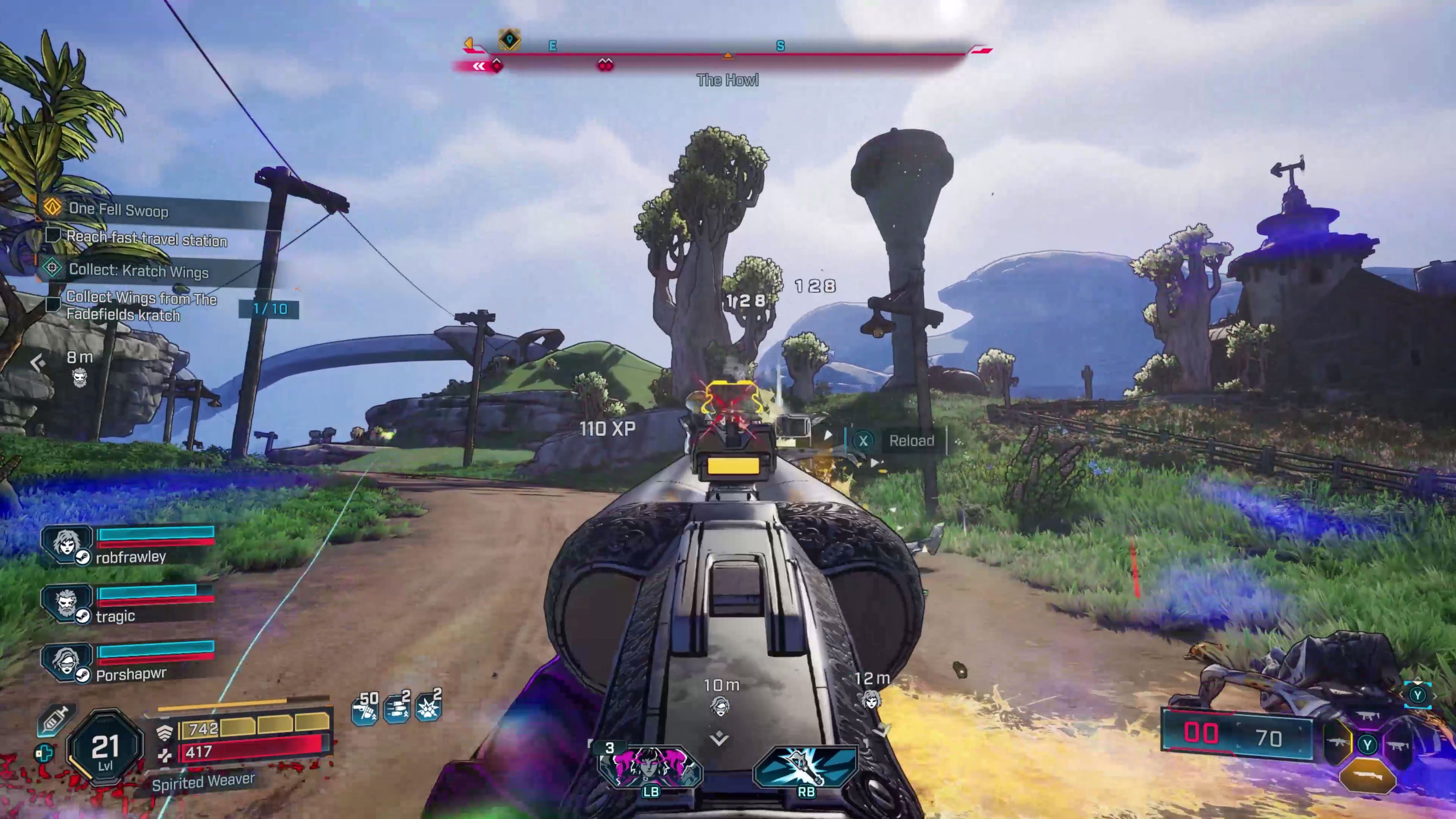
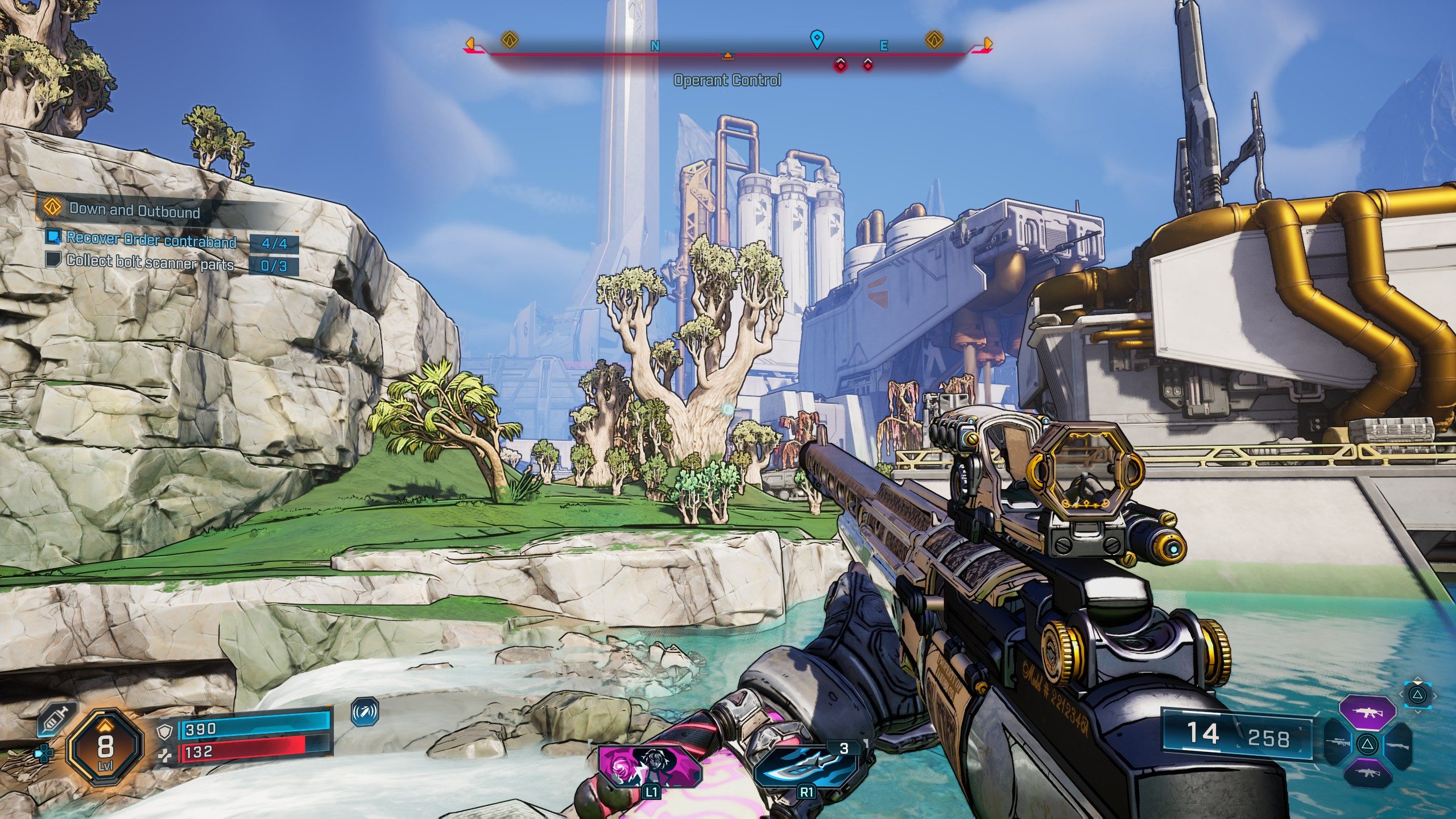
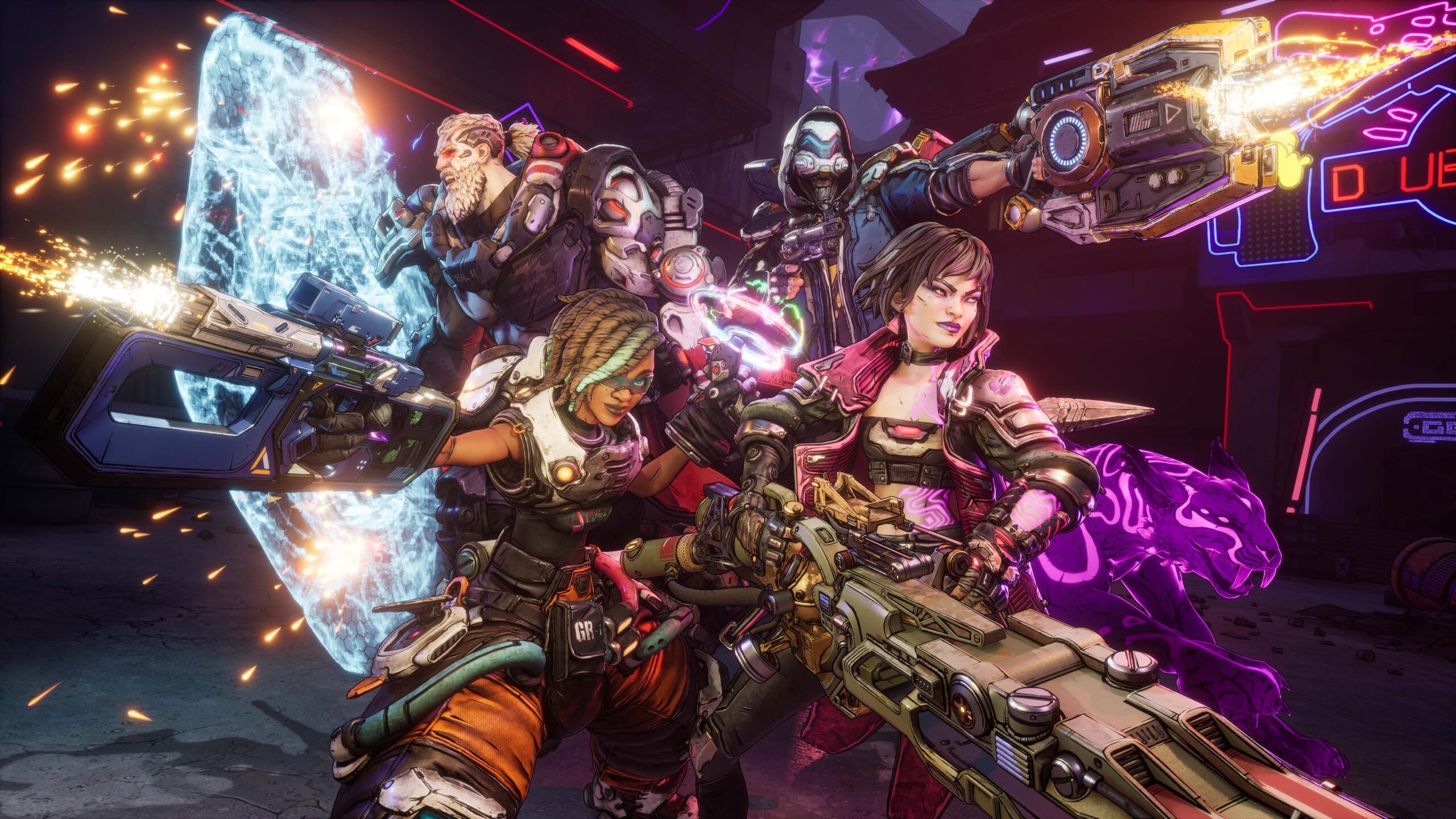
If the story feels like a misstep, the presentation at least keeps Borderlands 4 recognizable. The cel-shaded art style that defined the series is still here, and while it no longer feels as fresh as it did back in 2009, it remains distinct in a market full of hyper-realistic shooters. The sharper outlines and more dynamic color palettes give each environment its own identity—dusty wastelands hum with neon corporate billboards, while industrial cities glow with grime and excess. The visual design works hard to make up for the uneven narrative. As for the performance, that is where a large majority of goodwill starts to leak out. I played the game on PS5 Pro, and it was stable for the most part, as long as you play in single player, because once I jumped online for co-op, the framerate went all over the place. It’s also important to mention that while playing a majority, there was a glitch that if you paused the game and went back to the PS5 home screen, the game would get slower and slower until you restart your PS5. It’s all stable now, but for a game that sells itself on the spectacle and number of explosions and effects on screen, it was chugging for a majority of my time.
So, in the end, is Borderlands 4 worth your time when it gets on sale, because by then, hopefully, a large majority of the issues would be fixed? The core loop—shooting enemies, looting ridiculous weapons, and laughing at the absurdity—still works as well as it did over a decade ago. The combat is fun, the loot grind is addictive, and the presentation keeps the series’ signature style intact. But for every moment of chaotic joy, there’s an equal reminder that this formula hasn’t meaningfully evolved in years. The attempts at reinvention—darker storytelling, a more serious tone, and a handful of new mechanics—either clash with the identity of the series or fail to leave much of an impression. What remains is a game that is competent, occasionally exciting, but rarely surprising. Fans looking for “more Borderlands” will get exactly that, and maybe that’s enough. Yet those hoping for a true leap forward in the looter-shooter genre will likely walk away disappointed. Borderlands once defined a style of game. Now, it feels content to recycle it. Borderlands 4 isn’t a disaster, but it isn’t a triumph either—it’s a reminder of how fun the series can be, and how desperately it needs to take risks again.
Score: 6 out of 10
Reviewed on PS5 Pro
Play games, take surveys and take advantage of special offers to help support mxdwn.
Every dollar helps keep the content you love coming every single day.
