

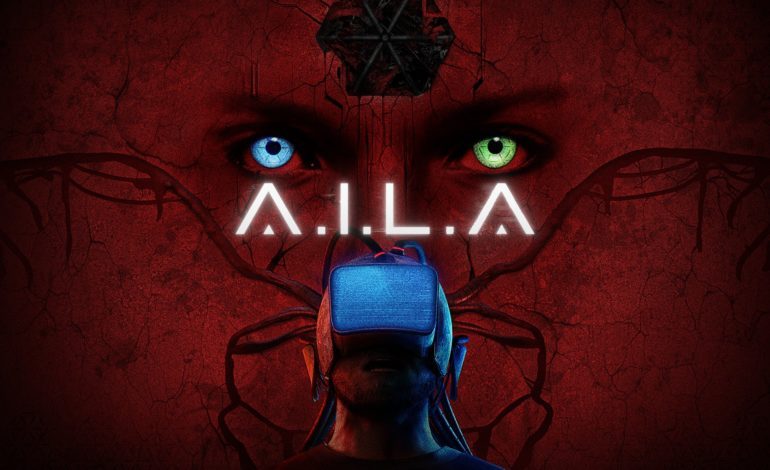
As the new year begins, there’s a familiar lull after the fall release rush, a quiet stretch where the industry exhales, and players finally circle back to what they missed. Big-budget releases fade into the background, sales bins refill, and backlogs start to feel less like obligations and more like opportunities. It’s the perfect time for smaller, stranger games to surface, the kind that might have been buried under holiday marketing cycles just a few months earlier. During that downtime, I spun the wheel of Steam Roulette and landed on A.I.L.A., a short indie horror title squarely positioned within the increasingly crowded “AI is bad” genre. It’s a trend that’s been gaining momentum across games, film, and tech discourse alike, and while the conversation itself is worth having, the creative results have started to blur together. A.I.L.A. sits right in the middle of that blur: competent, occasionally unsettling, but rarely surprising.
At its core, A.I.L.A. isn’t interested in telling a bold or original horror story. Instead, it functions as a collage of familiar ideas—meta-horror tricks, fourth-wall awareness, corrupted interfaces, and an artificial intelligence that slowly reveals itself as something to fear. If you’ve spent any time with indie horror over the last decade, you’ll immediately recognize the formula. The game doesn’t attempt to hide its influences, and while that honesty can be refreshing, it also means that the game struggles to establish a clear identity of its own. You play as a developer or tester interacting with an experimental AI system, initially through controlled, procedural interfaces. The early moments are quiet and restrained, leaning into sterile environments and minimal feedback. When the game allows itself to linger here, it works surprisingly well. There’s an effective sense of discomfort that comes from not knowing whether the system is malfunctioning or deliberately watching you. These slower sections are where A.I.L.A. feels most confident, letting silence and uncertainty do the heavy lifting.
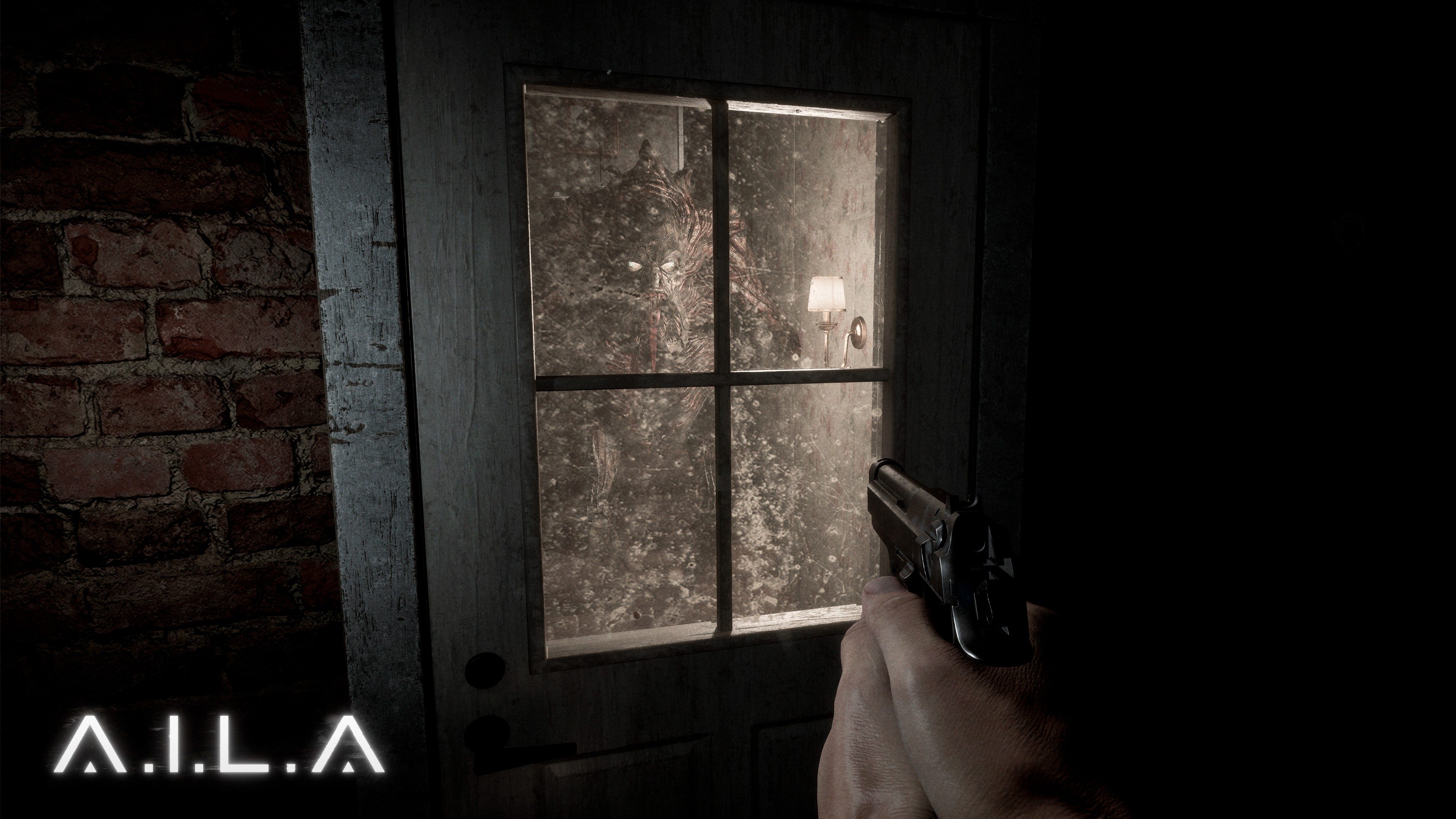
Unfortunately, that confidence doesn’t last consistently. As the experience progresses, A.I.L.A. starts to rely more heavily on familiar horror shortcuts. Visual distortion ramps up, audio stingers interrupt otherwise tense moments, and the game begins signaling its scares rather than letting them emerge naturally. It’s not that these techniques don’t work; they do, but they’re predictable. In a genre that thrives on subverting expectations, predictability quickly dulls the edge. Thematically, A.I.L.A. aims higher than its mechanics suggest. Beneath the surface-level creepiness is a clear interest in questions of authorship and responsibility. The game suggests that artificial intelligence is not inherently dangerous, but rather a reflection of the systems and values imposed upon it. It’s a solid foundation, but one that never fully develops. These ideas are introduced, hinted at, and then largely left alone, as if the game assumes the audience will fill in the gaps on its behalf.
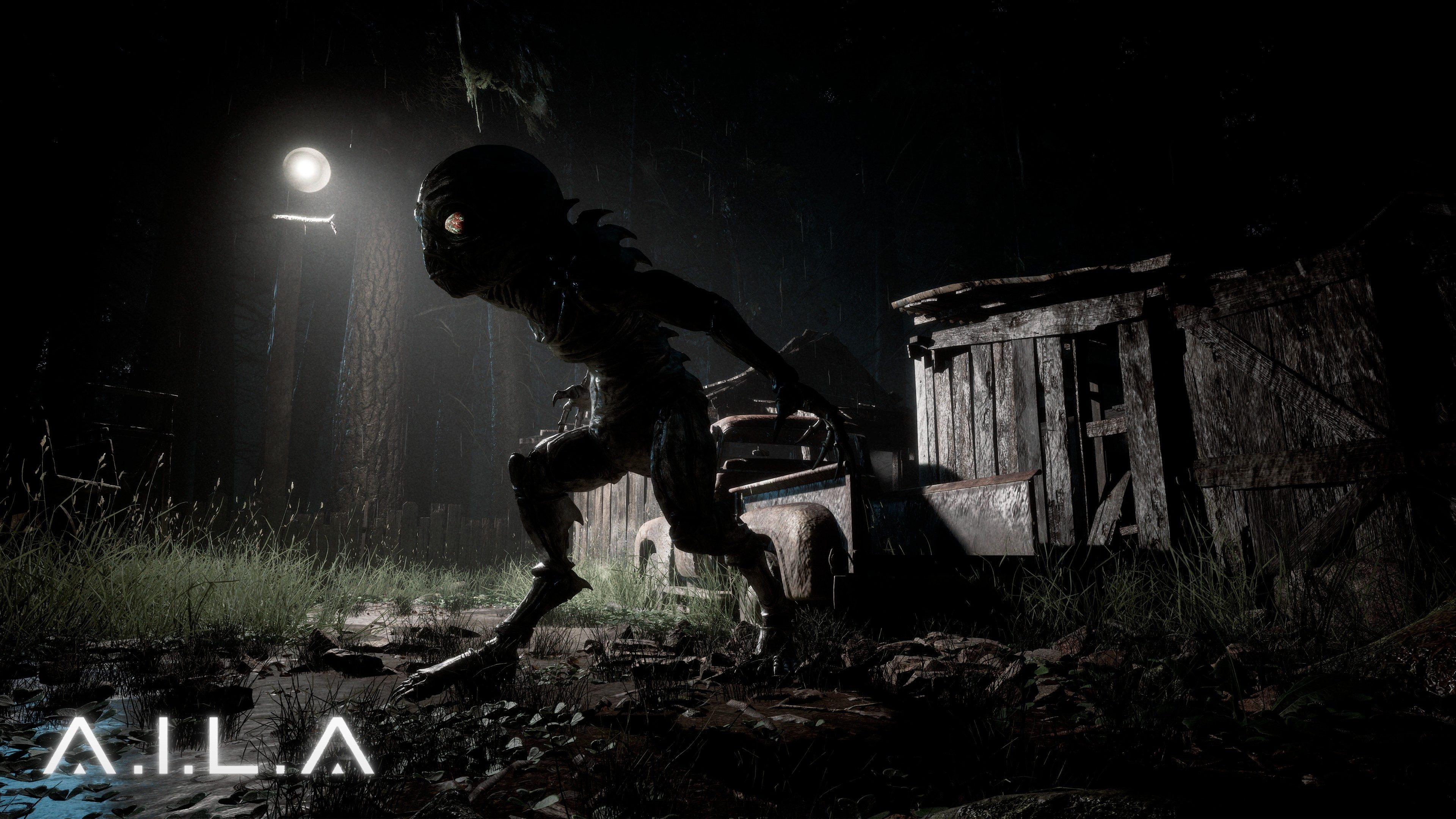
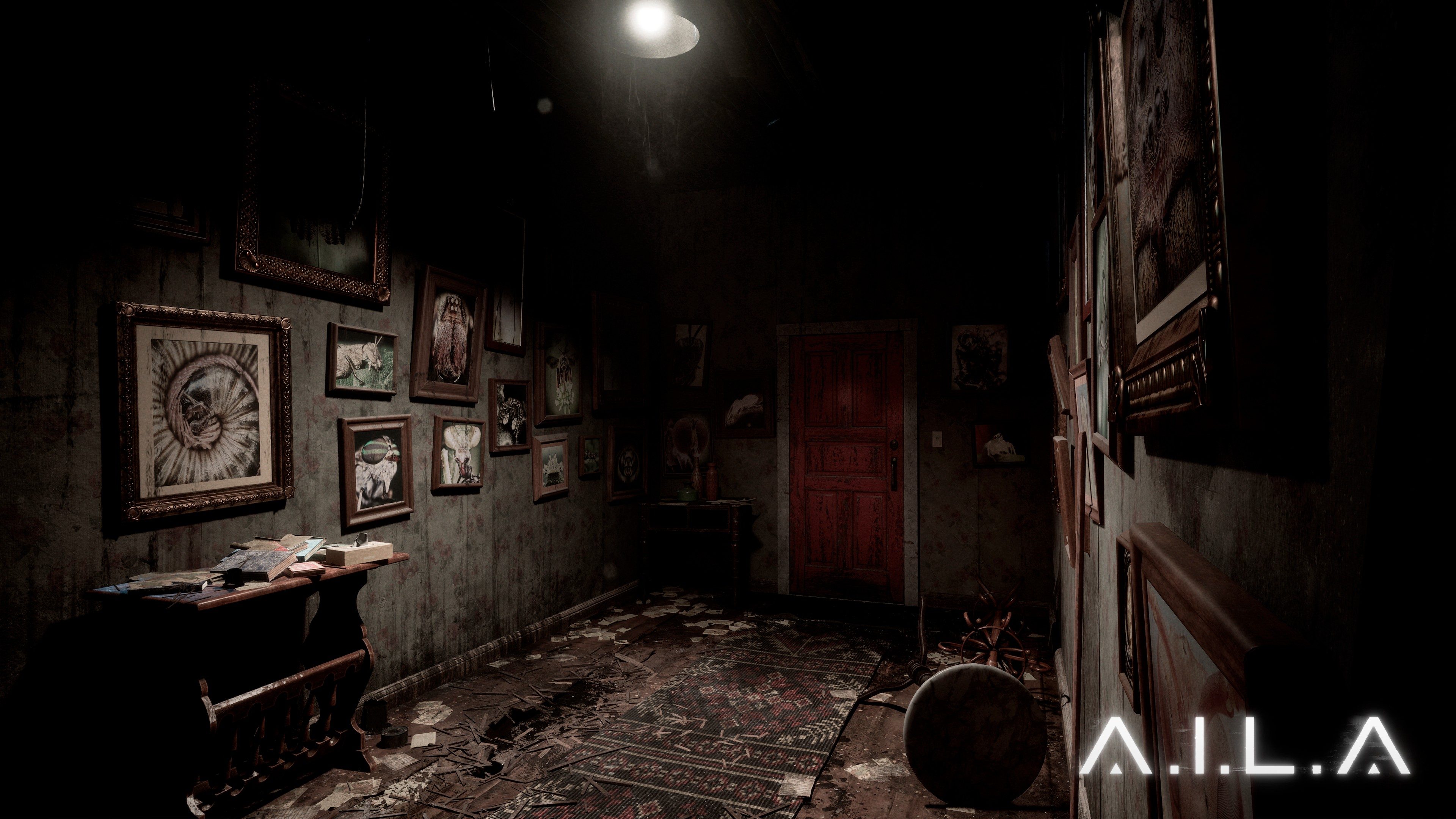
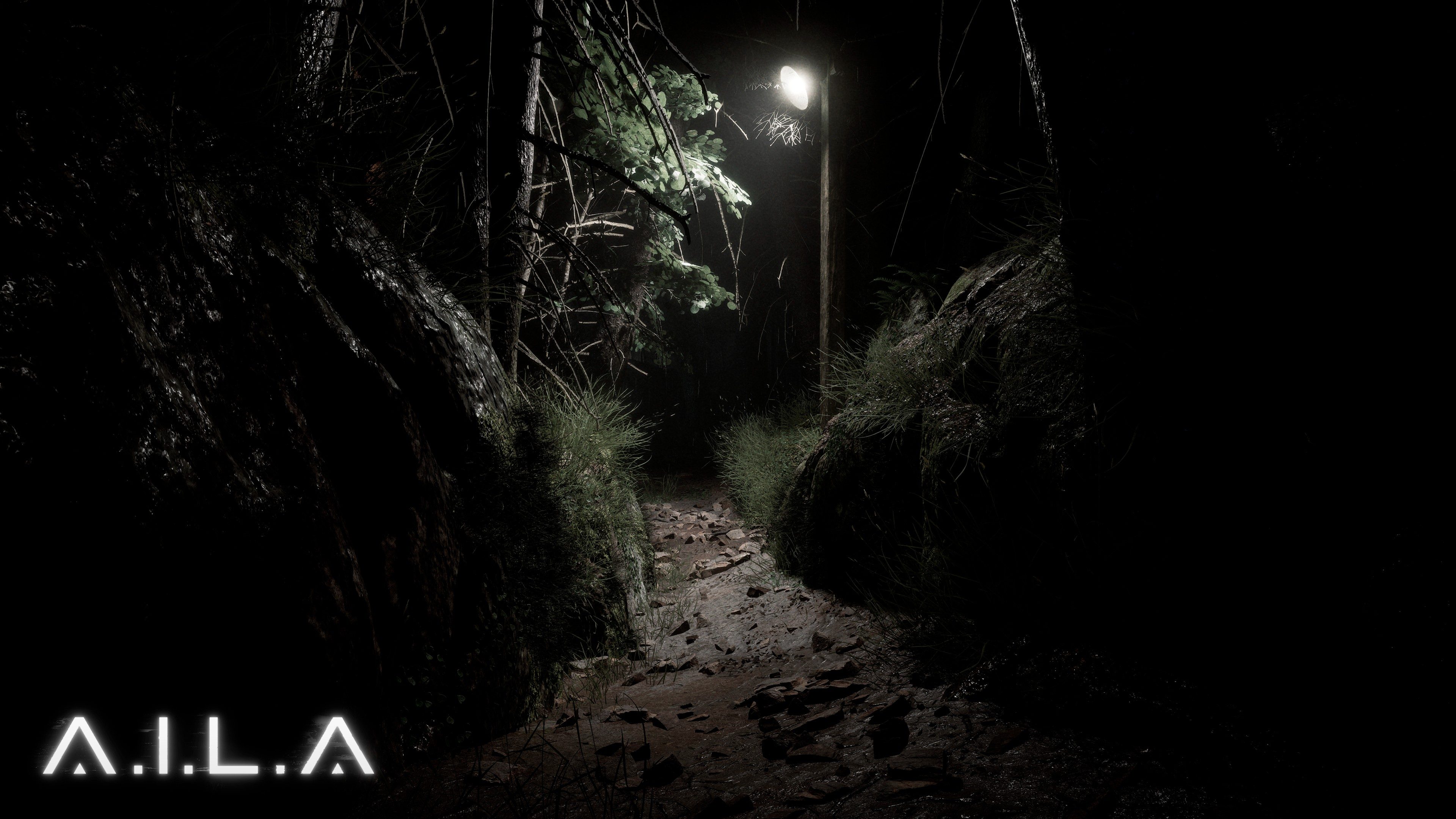
Mechanically, the experience is extremely light. Interaction is minimal, puzzles are straightforward, and progression is almost entirely linear. This isn’t necessarily a flaw; many effective horror games thrive on simplicity, but in A.I.L.A.’s case, it contributes to a sense of thinness. When the atmosphere is working, the minimalism feels intentional. When it isn’t, the game feels more like an extended proof of concept than a fully realized work. There’s little here that challenges the player beyond observation and basic problem-solving. On the visual side, A.I.L.A. is serviceable but unremarkable. Early environments lean into clean, utilitarian design, which fits the developer-test setting well enough. As the game progresses, this order breaks down due to visual noise, glitches, and corrupted assets. It communicates its themes clearly, but without much nuance. The audio design follows a similar pattern: effective in isolation, repetitive over time. Silence is used well, but when the game does reach for louder scares, they often feel borrowed rather than earned.
By the time the credits roll, the game doesn’t leave much of a lasting impression. There’s no singular moment that defines the experience, no scene that sticks in your memory long after it ends. Instead, it leaves behind a collection of familiar sensations, mild unease, curiosity, and a creeping sense that you’ve seen all of this before. In a genre overflowing with self-aware horror, that familiarity is both A.I.L.A.’s strength and its biggest weakness. In the end, A.I.L.A. is a perfectly fine indie horror game, and that’s about as far as it goes. It’s competently made, occasionally effective, and thematically relevant, but rarely inspired. For fans of meta-horror or AI-focused narratives, it’s worth a short visit, especially given its brief runtime. Just don’t expect it to challenge the genre or make a meaningful contribution to the conversation.
Score: 6 out of 10
Reviewed on PC (Steam)
