

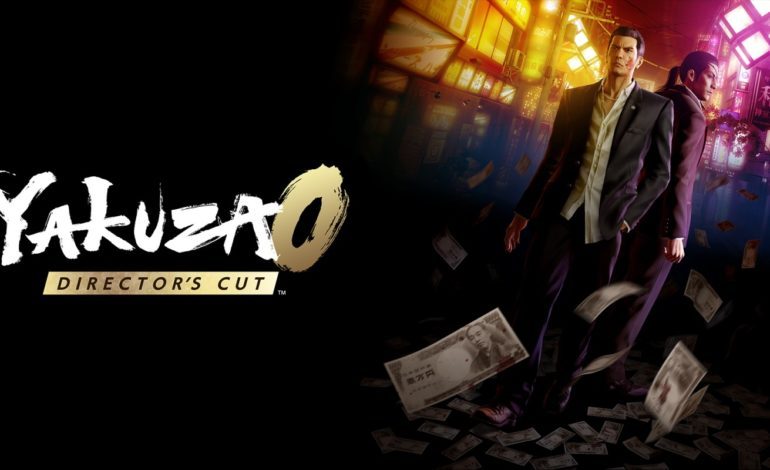
Ah, the Nintendo Switch 2 is finally out in the wild. Predictably, pre-orders vanished in minutes, scalpers swooped in, and now everyone who wanted one is either scouring storefronts or refreshing online trackers—though, to be fair, it’s still less painful than the PS5’s disastrous launch. Part of that might be because Nintendo’s been under fire lately, with some loud voices in the games media blaming them for fueling the start of the inflation bubble hitting video games. But that’s a bigger can of worms I’m not opening today. Instead, let’s just focus on the now, and what Nintendo actually launched this thing with before their first true post-launch exclusive drops in a few weeks. The main event, of course, is Mario Kart World. And while it really is a masterclass of kart racing, that’s not the game that’s devoured my time. No, the game I’ve put more than 100 hours into during this first month with the Switch 2 is a re-release of one of my all-time favorites: Yakuza 0 Director’s Cut.

At first glance, Yakuza 0 might seem like an odd launch window pick for Nintendo’s shiny new hardware. After all, it’s not exactly new—it first came out in 2015 in Japan (2017 in the West) and has since been ported to just about everything short of your fridge. But that’s exactly why it works: Yakuza 0 is the perfect game to revisit, especially if you missed it the first time or, like me, want an excuse to dive back into Kamurocho’s neon-lit chaos with a few new bells and whistles. So, what exactly makes this the Director’s Cut? First off, don’t go into this port expecting some massive remake on the level of Resident Evil 4 or Final Fantasy VII Rebirth. The bones of Yakuza 0 are unchanged—and honestly, that’s a good thing. What you get instead is a cleaner, modernized version of an already brilliant package. On Switch 2, it runs at a crisp 60 frames per second, with the resolution boosted to full 4K when docked. Unlike the old Xbox One or even the Series X backward-compatible version, loading times are practically nonexistent now, which makes hopping between buildings or flagging down taxis feel seamless in a way that really matters in a game this packed with side activities.
Performance polish aside, what really makes this version shine are the thoughtful quality-of-life tweaks. SEGA added a handful of new side missions that slot naturally into the main game—nothing Earth-shattering, but for fans of Yakuza’s trademark bizarre sub-stories, it’s more excuses to get gloriously sidetracked. There’s also a revamped localization that tightens up some awkward dialogue from the original Western release. It’s subtle, but you can tell SEGA wanted to treat this fan favorite with care. What surprised me most, though, is just how well Yakuza 0 fits on a portable console. The Switch 2 is powerful enough to run big open-world games, but there’s something extra special about having Kamurocho and Sotenbori in your bag, ready whenever you’ve got a spare ten minutes. Maybe you’ll crack some skulls on your lunch break, or spend an hour sinking yen into the cabaret club management mini-game while waiting at the airport. The game’s pacing is perfect for handheld play: you can clear a side quest, smash through a fight, then put the console to sleep and pick it right back up later without losing your flow.

Of course, the core of Yakuza 0 hasn’t changed—and it didn’t need to. This is still one of the tightest, most satisfying crime sagas SEGA has ever crafted. If you’ve somehow never touched it: Yakuza 0 is a prequel set in the late ‘80s, tracing series regulars Kazuma Kiryu and Goro Majima before they became the legends fans know today. It’s an origin story that somehow balances brutal underworld intrigue, heartfelt character drama, and the kind of absurd, laugh-out-loud side stories that only Yakuza can pull off. One moment you’re knee-deep in real estate scams, murder cover-ups, and backstabbing conspiracies; the next, you’re teaching a dominatrix how to berate her clients properly. It’s that tonal whiplash that makes Yakuza special—and 0 might still be the purest example of it. There’s a reason so many people say it’s the perfect starting point for newcomers. What still floors me, all these years later, is how well the characters hold up. Kiryu, still green and naive, is a far cry from the near-mythical figure he becomes later on. Majima, meanwhile, is downright tragic here—a brilliant, broken man forced to dance on a string for the same people trying to destroy him. Seeing how Majima’s “Mad Dog” persona is born makes later games hit even harder. Replaying this with hindsight only makes the tragedy sharper.
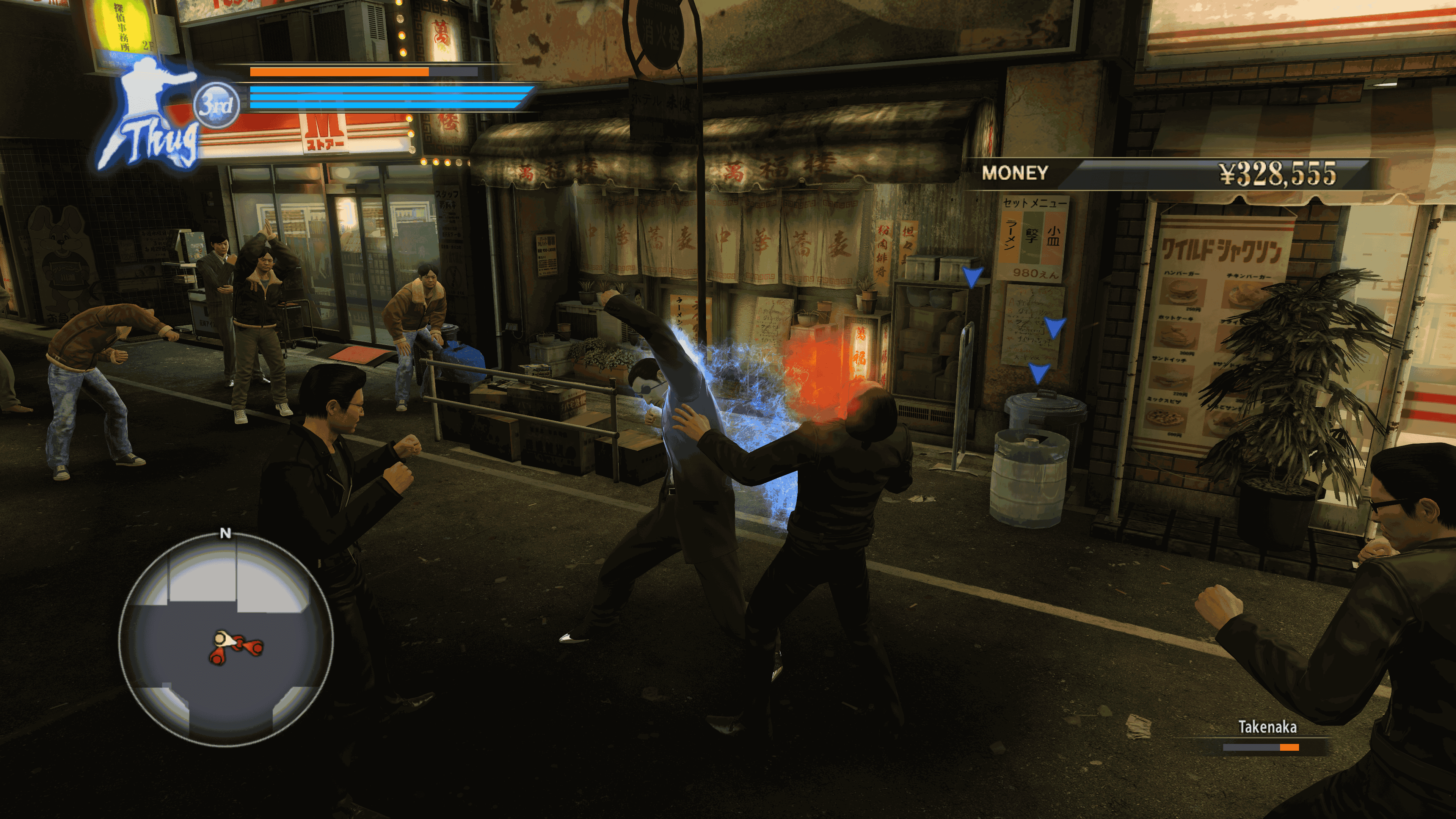
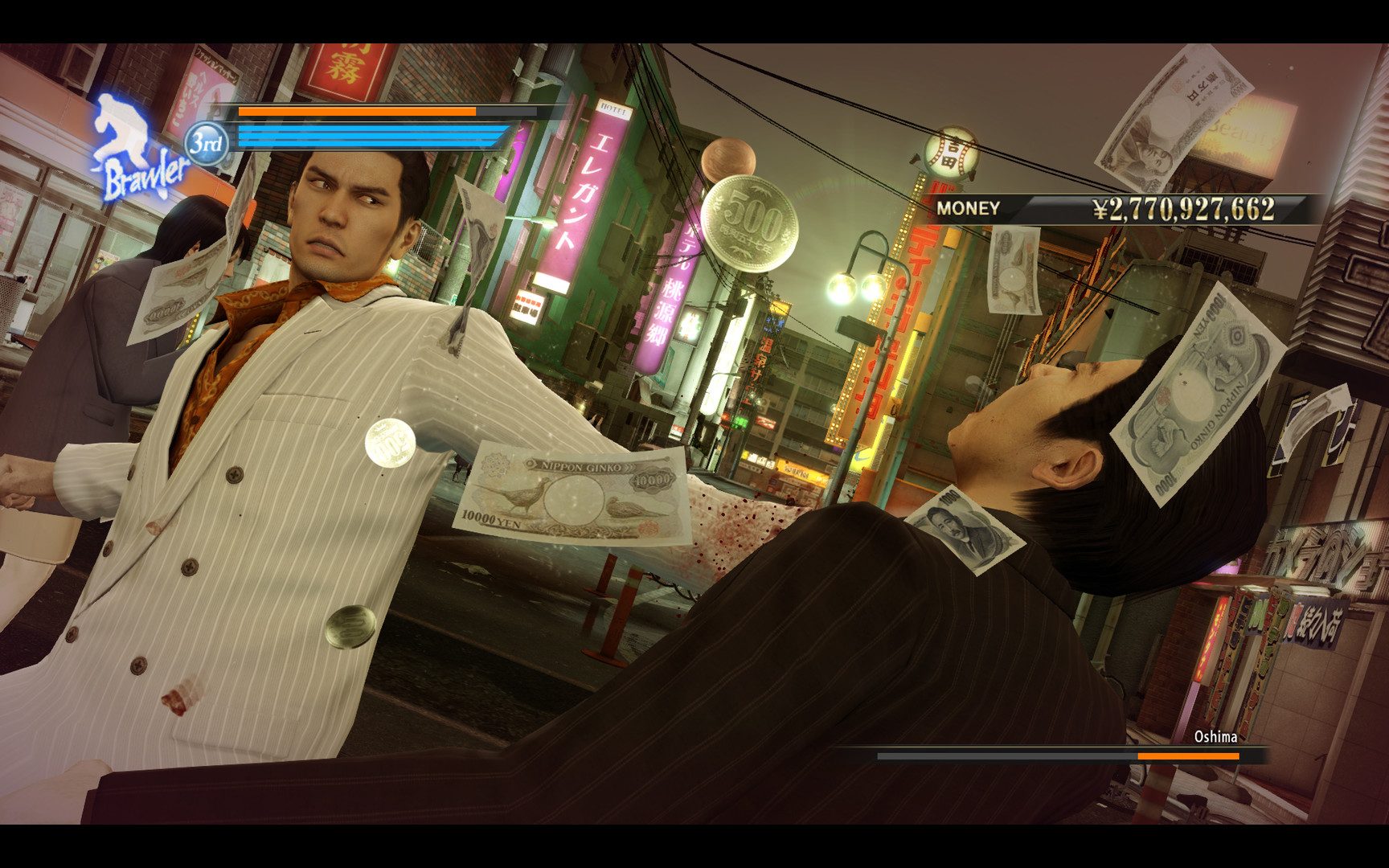
Combat remains peak arcade brawling. I’ve played plenty of beat-‘em-ups, but few come close to the sheer crunch of Yakuza’s street fights. The multiple fighting styles—Kiryu’s Brawler, Rush, and Beast; Majima’s Thug, Slugger, and Breaker—keep encounters fresh. Switching from tight, combo-heavy strikes to wide, crowd-clearing haymakers feels as amazing as ever. The ridiculous Heat Moves are still hilariously over-the-top. The Director’s Cut adds a few new weapons and tweaks enemy AI so fights on Normal difficulty don’t feel like pushovers once you max out your skills, which helps keep brawls fun for veteran players. And then there’s the side content—honestly deserving of its own review. If you’ve never belted out “Judgement” at karaoke with Kiryu, complete with an absurd anime music video, you’re missing out on one of gaming’s purest joys. The real estate and cabaret club management modes are still dangerously addictive, and the Sega arcades stuffed with ‘80s classics feel even more nostalgic now that we’re revisiting Yakuza 0 almost a decade later. There’s a reason so many players finish the main story and immediately sink another 50 hours into side activities alone—it’s that good.
Performance on the Switch 2 is basically flawless. I played mostly in handheld mode and was impressed by the battery life, considering how dense the game is. Even docked, the system never got loud or hot. SEGA clearly cared enough to optimize this port properly—something you can’t say for every “next-gen” upgrade these days. If there’s any real downside, it’s that the Director’s Cut doesn’t reinvent the wheel. There’s no extra story chapter or major gameplay overhaul—just a sleeker, tighter version of a classic. For newcomers, that’s ideal. For longtime fans, it’s about returning to a city that feels like a second home, where you can punch street punks, help a Michael Jackson lookalike film a zombie music video, and buy up half of Kamurocho just because you can.
What made this playthrough special for me was the timing. Less than 24 hours after picking up my Switch 2 and the game, I was on a plane to Japan for a trip I’d been planning since October. Seeing the real-life inspiration for Kamurocho and Sotenbori with my own eyes was surreal. Standing under the famous red gate, I realized just how well the games capture the essence of these districts. For an outsider, Yakuza feels like the Japan we dream up in our heads—neon chaos, tiny bars tucked down alleyways, and absurd characters lurking around every corner.
So, if you haven’t jumped on the Yakuza train yet, is this the right time? If you’ve got a Switch 2, absolutely. You’ll get your money’s worth here—something that matters more than ever with Nintendo leaning into next-gen pricing. You’re getting an open-world game overflowing with content long after the credits roll, and who knows—maybe we’ll see the whole series hit the Switch 2 soon, making it the best way to take Kamurocho on the go if you don’t have a Steam Deck.
Score: 10 out of 10
Reviewed on Nintendo Switch 2
