

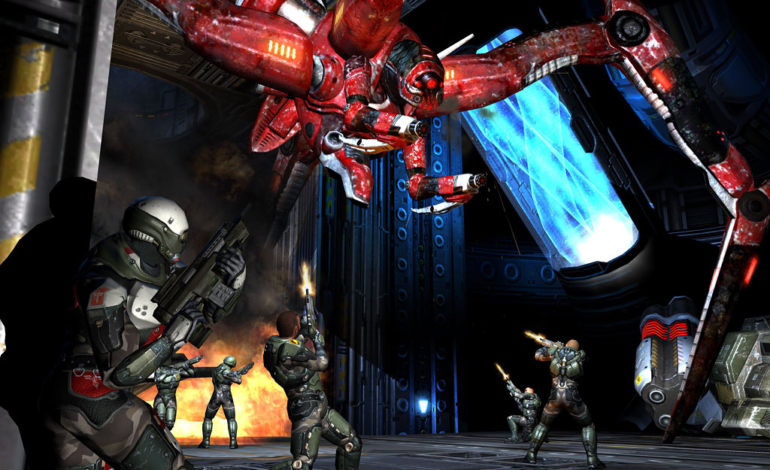
A Quake 4 expansion that was cancelled right before completion, Awakening, has unexpectedly resurfaced nearly two decades after the original game’s release, offering a rare opportunity for fans to examine development material from a project that was never officially released. The unreleased material was discovered by a former developer on an old hard drive and has now been made publicly available through GitHub, turning what could have remained a forgotten piece of game-development history into an accessible preservation project. The discovery includes a collection of development assets from the cancelled expansion — weapon models that can be examined through the public GitHub repository. It should be understood that the available material is developmental alpha content, not a finished version of the expansion. However, the availability still provides a direct look at what the project was like while it was being developed.
The circumstances surrounding the discovery are as interesting than the material itself. The unreleased material was not recovered from an official publisher archive, but the old hard drive of a former developer. This discovery and release highlights one of the stranger aspects of video game preservation: projects that can be consider effectively lost for years can sometimes survive on personal computers and storage devices belonging to people who just happened to be working on them. The release also holds significance for things beyond Quake 4. Normally, cancelled games or expansions are often only preserved through screenshots, interviews, concept art, or scattered references in related projects. The GitHub repository will allow researchers and fans to examine the project’s assets directly, providing a much clearer picture of how an unfinished game was being constructed.
The discovery also finds significance due to its place in the broader history of unfinished projects in the FPS genre. The development of projects like SiN Episodes showcases how ambitious FPS projects could change before being cancelled or otherwise abandoned. In those cases, researchers and fans have had to piece together the development history of those cancelled projects through interviews and retrospective reporting. The discovered Quake 4: Awakening material is something else entirely, as it primarily contains development artifacts that can be inspected. Therefore, this release is more than an unexpected piece of Quake nostalgia: it is an example of why preserving development material matters. A cancelled and forgotten project can still provide valuable insight into game development years later, provided its files survive long enough for someone to find them.
