

The infamous P.T. that was released on PlayStation back in 2014 has left a substantial impact on the world of horror gaming, spawning many “clones” that attempted to recreate its atmosphere and gameplay after it was taken off the PlayStation store by Konami. P.T. was supposed to be a teaser demo for Silent Hills, a collaborative effort between Hideo Kojima and Guillermo del Toro that to this day is still remembered as one of the greatest horror games of all time, despite its brevity in both playable length and time on storefronts.
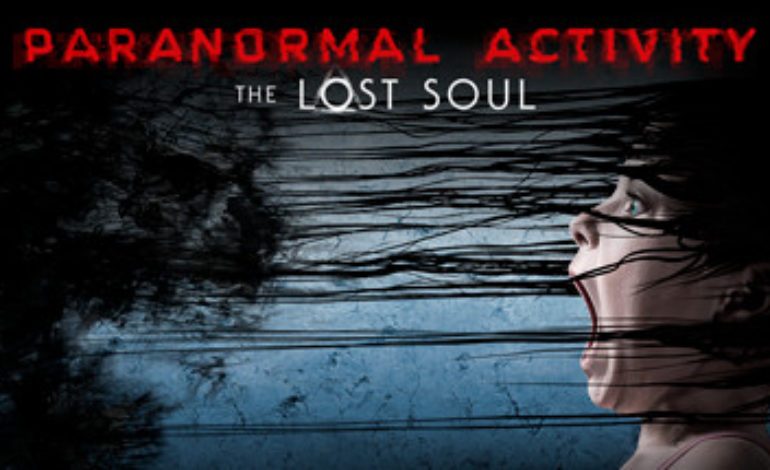
One game that would, unintentionally or not, capture the same type of horror featured in P.T. was the VR release Paranormal Activity: The Lost Soul, which as you can imagine was set within the Paranormal Activity universe and was released back in 2017 on PS VR and Meta Quest, but would later receive controller support which would make it feel more like the iconic horror demo. While the game doesn’t lean into the “found footage” aspect of the Paranormal Activity film franchise, it certainly explores its supernatural elements via jump scares and exploration.
However the developers of the game, VRWERX, posted on X back in April 2026 that their license with Paramount, the distributors of the film franchise, had expired, and that sometime in August it would be leaving digital storefronts. Fortunately if you’ve already purchased the game, it’s yours to keep, but people will be unable to purchase it following its delisting. For those who want the opportunity to play Paranormal Activity: The Lost Soul, it is still available on storefronts such as Steam, Meta Store, and Amazon, so grab it while you can (on Steam you can buy it for as cheap as $3.99).
After nine incredible years, our journey with Paranormal Activity: The Lost Soul is coming to an end.
Our license with Paramount has officially concluded, which means the game will soon be removed from digital storefronts and will no longer be available for download. If you…— PAVRGAME (@PAVRGAME) April 10, 2026
All of this is a reminder of the controversy surrounding game delistings and their effects on game preservation. Movements such as Stop Killing Games have been pushing for solutions to such matters and have been met with pushback from both publishers and trade associations, but widespread support among consumers and media figures within the gaming sphere.
