
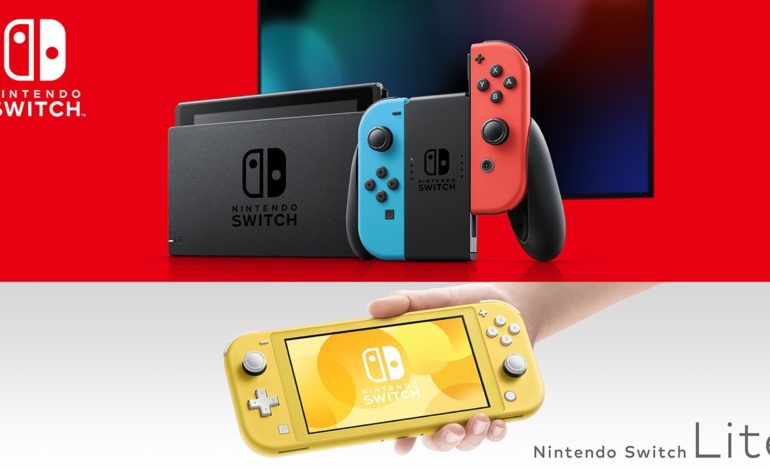
Nintendo has recently announced that the original Switch line of consoles will be discontinued in Europe by mid-February 2027.. This means that the original Nintendo Switch, the Nintendo Switch Lite, and the OLED Model of the Nintendo Switch will no longer be available for purchase in Europe come next year. The announcement did clarify that this will only affect the European market, meaning North American, Japanese, and other regions will still be able to get their hands on any member of the Switch family. However, the most interesting thing about the announcement is the reason why Nintendo made this decision.
Beginning on February 18th, 2027, the European Union is set to change the rules surrounding batteries. More specifically, the EU is changing the requirements for portable batteries, requiring manufacturers to make them easy to replace by users with commercially available means. After deliberation, it appears that Nintendo has determined that original Switch hardware cannot be revised to meet those requirements by practical means before the regulations take effect. Nintendo did not explicitly explain why it chose to discontinue the original Switch family rather than redesign it, though the decision comes as the hardware approaches its tenth year on the market. However, revisions to newer pieces of hardware like the Nintendo Switch 2 and newer controllers will gradually start to replace older versions this summer. Nintendo says the revisions will not affect performance or functionality, serving only to comply with the new regulations.
According to the timeline provided by Nintendo, revised accessories will hit the European market this summer. During the autumn months, revised Switch 2 consoles will start shipping in Europe to replace the unrevised versions. Later in the rollout, Joy-Con 2s and other Switch controllers will also be revised before the older Switch consoles stop being available for purchase before the 18th of February. Not every hardware revision is related to battery compliance. Nintendo notes that some products, such as the original Joy-Con controllers and the Nintendo 64 controller, already meet the new requirements, meaning their revisions are limited to minor hardware changes such as small weight adjustments.